
A well-designed home rarely relies on color alone. If you’ve ever walked into a space that felt warm, inviting, and effortlessly styled, chances are it mastered layering textures in interiors. Whether you’re refreshing a single room or redesigning your entire home, understanding how to combine materials, fabrics, and finishes is key to creating depth and visual interest.
Many homeowners struggle with rooms that feel flat or incomplete, even after adding beautiful furniture and décor. The missing element is often texture—how soft contrasts with sleek, how natural balances refined, and how subtle variation brings a space to life. In this guide, you’ll learn practical strategies to mix wood, metal, textiles, and organic elements in a cohesive way.
Our insights draw from proven home styling principles, real-world design applications, and modern décor trends, ensuring you get advice that’s both stylish and functional. By the end, you’ll know exactly how to add dimension and character to any space with confidence.
The Foundation: Why Texture is the Unsung Hero of Design
Most people obsess over color palettes and furniture styles. I disagree. Texture is what actually makes a room feel complete. Without it, even the most expensive space can fall flat (yes, even that Pinterest-perfect living room).
Visual Weight and Balance
Texture carries visual weight, meaning it influences how heavy or light an object feels in a room. A rough linen sofa appears grounded and substantial, while smooth silk cushions feel lighter and more delicate. Designers often focus on symmetry, but balance matters more than matching. Pairing a chunky knit throw with a sleek leather chair creates equilibrium without visual boredom. Use layering textures in interiors to prevent spaces from feeling one-dimensional.
Emotional and Psychological Impact
Soft textures—velvet, wool, bouclé—signal comfort and safety. Studies in environmental psychology suggest tactile softness can increase perceived warmth and relaxation (Journal of Environmental Psychology, 2010). Meanwhile, glass and polished metal communicate efficiency and formality. Contrary to popular belief, “sleek” isn’t always better; too many hard surfaces can feel emotionally cold.
Light, Shadow, and Sound
Texture shapes light. Nubby fabrics absorb it, softening a room, while glossy marble reflects it, amplifying brightness. Soft materials also absorb sound, reducing echo and creating intimacy. Pro tip: add rugs and curtains before buying more décor.
The Art of Layering: A Practical Guide to Combining Textures

Great rooms rarely rely on color alone. What makes a space feel finished—like a Nancy Meyers kitchen you secretly wish you lived in—is texture.
The Rule of Three (or More)
If you’re new to layering textures in interiors, start simple: combine at least three distinct textures in one space. Think wood, fabric, and metal. Or leather, wool, and glass. Fewer than three can feel flat; too many can feel chaotic (like every trend from Pinterest collided at once). Three creates balance—visual interest without sensory overload.
High and Low Contrast
Texture contrast refers to how different materials feel and look next to each other. High contrast—like a rough jute rug on smooth concrete floors—adds drama and energy. It’s bold, cinematic, almost like a Wes Anderson set where every detail pops.
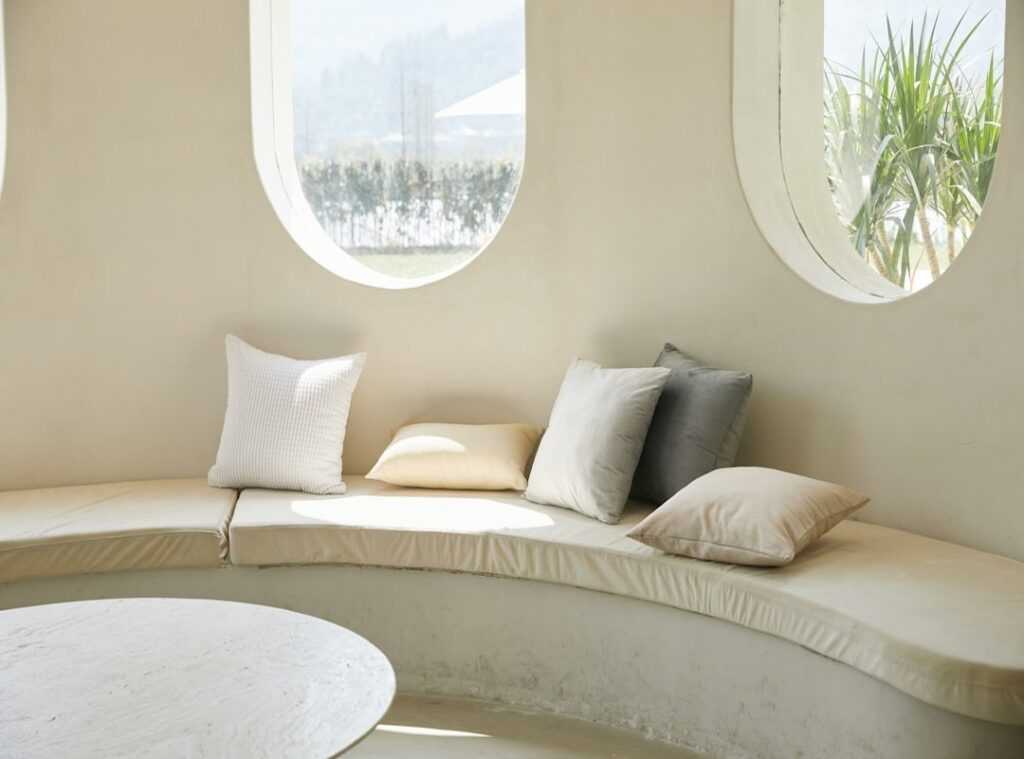
Low contrast, such as a linen sofa paired with cotton pillows, creates a calm, cohesive atmosphere. The materials are distinct but subtle. If your goal is serenity, keep contrast gentle.
Start with a Base
Begin with the largest surfaces: walls, floors, and major furniture. Are your walls smooth plaster or textured wallpaper? Is your floor polished wood or plush carpet? These foundational textures set the tone.
If you’re exploring accent ideas, revisit how to create a standout highlight wall in any room for inspiration on anchoring your space with intention.
Layering the Details
Now add contrast in smaller doses. Drape a mohair throw over a leather armchair. Place a ceramic vase on a wooden mantel. Pair sheer linen curtains with a velvet sofa. These combinations create depth—that lived-in, thoughtfully styled look that feels effortless (even if it wasn’t).
Your Texture Toolkit: From Natural Elements to Modern Finishes
Texture is the secret ingredient that turns a flat room into a space you actually want to live in. When you understand how different materials feel and reflect light, you gain the power to shape mood, comfort, and even perceived value (yes, texture can make a room look more expensive).
Soft & Cozy Textures instantly make a home inviting:
- Wool: Durable and warm, perfect for rugs that anchor living rooms.
- Bouclé: Nubby and tactile—ideal for statement chairs that beg to be touched.
- Velvet: Smooth and luxe, great for throw pillows or headboards that catch light beautifully.
- Faux fur: Adds playful softness to throws or accent stools.
- Chenille: Subtle sheen and comfort, perfect for sofas you sink into after long days.
The benefit? Instant comfort and a layered, designer look without major renovations.
Hard & Sleek Textures elevate and brighten:
- Glass: Reflects light, making small rooms feel bigger (a proven spatial perception effect noted in interior design studies).
- Polished chrome and brass: Add sophistication and contrast.
- Marble: Timeless luxury with natural veining.
- High-gloss lacquer: Bounces light for a modern edge.
These finishes create visual balance and prevent softness from feeling скуgy.
Natural & Raw Textures ground your space:
- Wood (rough-hewn or smooth): Adds authenticity and warmth.
- Rattan and jute: Casual, breathable charm.
- Linen and stone: Organic, calming appeal.
Research in environmental psychology shows natural materials can reduce stress and boost well-being (Journal of Environmental Psychology).
Pattern as Texture—think herringbone floors or geometric cushions—breaks up solid surfaces and adds rhythm.
Use layering textures in interiors in the section once exactly as it is given
When you combine these thoughtfully, you create depth, personality, and a home that feels intentionally designed—not accidentally assembled.
Designing with texture is less about rules and more about balance. In the living room, start with comfort. Pair a smooth leather sofa with a chunky knit throw, a low-pile wool rug, and warm wooden side tables. Some argue this mix feels busy. However, contrast is what makes a space feel layered rather than flat (think of a movie set without props). The key is restraint.
Meanwhile, the bedroom should whisper, not shout. Crisp cotton sheets, a soft linen duvet, a velvet headboard, and a sheepskin rug create a calm retreat. Critics say too many fabrics collect dust. Fair point. Yet choosing quality, washable materials keeps serenity practical.
As for kitchens and bathrooms, hard surfaces like tile, stone, and metal ground the room. Then soften edges with woven towels or a wooden cutting board display. Done thoughtfully, layering textures in interiors turns functional rooms into lived-in spaces. It truly works.
To create a visually dynamic home, consider layering various textures—like plush throws and sleek metal accents—while also ensuring your space feels open and inviting, a process that may be easier if you first tackle the clutter, as discussed in our article on the fastest way to declutter your home – for more details, check out our What Is the Fastest Way to Declutter Ththomable.
Bring Your Space Together with Confidence
You started this guide because something in your home felt unfinished. Maybe the room looked flat, uninspired, or disconnected despite your best efforts. Now you understand how layering textures in interiors transforms a space from one-dimensional to dynamic, adding warmth, depth, and personality without overwhelming your design.
The key is action. Choose one room. Add contrast through textiles, mix natural and smooth finishes, and balance soft with structured elements. Small, intentional changes create the biggest visual impact.
Don’t let a bland space drain the comfort and pride you should feel at home. Start applying these texture techniques today and watch your room come alive. If you want step-by-step guidance, proven styling strategies, and practical DIY tips trusted by thousands of modern homeowners, explore more expert home insights now and take the next step toward a space that finally feels complete.
 As the primary technical strategist for Ththomable, Chasevsic Rieder focuses on the intersection of smart technology and domestic efficiency. He is responsible for demystifying complex home automation systems and providing the DIY improvement tips that allow users to modernize their infrastructure without unnecessary stress. Chasevsic’s expertise ensures that "smart living" is accessible and reliable, offering a tactical approach to home fundamentals that prioritizes performance and long-term optimization. His work empowers the community to build smarter, more responsive homes through precise, expert-backed guidance.