If you’re searching for minimalist living room ideas, you’re likely looking for more than just aesthetic inspiration—you want a space that feels calm, functional, and intentionally designed. Minimalism isn’t about having less for the sake of it; it’s about creating a living room that supports your lifestyle without clutter, distraction, or unnecessary expense.
In this guide, you’ll find practical design strategies, smart layout tips, and décor suggestions that help you achieve a clean, modern look while maintaining comfort and personality. We break down what truly works in real homes—from furniture selection and color palettes to lighting, storage, and finishing touches—so you can confidently design a space that feels both stylish and livable.
Our recommendations are grounded in proven interior design principles and hands-on home improvement experience, ensuring you get advice that’s realistic, achievable, and tailored to modern living. Let’s simplify your space—beautifully and intentionally.
Your Foundation for Calm: The Minimalist Approach
A minimalist living room isn’t about owning less. It’s about owning with intention. If your space feels cold, you likely removed personality instead of clutter.
Start here:
- Clear surfaces first. Visual noise (remote piles, stray décor) triggers mental stress.
- Choose a neutral base, then layer one or two warm textures (linen, wood, wool).
- Keep furniture proportional. Oversized sofas overwhelm small rooms (yes, even if it was a “great deal”).
When exploring minimalist living room ideas, ask: Does this serve a purpose or spark calm?
Finally, add one meaningful focal point—art, a plant, or a sculptural lamp—to keep the room serene, not sterile.
Start with Subtraction: The Art of Decluttering
Minimalism begins with a simple question: What is enough? The philosophy of “enough” isn’t about empty white rooms or tossing everything you own. It’s about keeping what is essential, useful, or beautiful—and letting the rest go. When you subtract the excess, you gain clarity, calm, and space to think (and breathe). Studies from UCLA’s Center on Everyday Lives of Families found that cluttered homes elevate stress levels, especially for women. Less stuff, it turns out, means less stress.
One practical safeguard is the One-In, One-Out Rule. For every new item you bring home, one leaves. This keeps your space balanced long-term—no dramatic purges required.
Try the Categorize and Conquer method:
- Keep – Items you use or love regularly
- Donate – Things in good condition that no longer serve you
- Store – Seasonal or sentimental pieces
- Discard – Broken or unused clutter
Start small—your coffee table, not the garage. Momentum builds confidence.
Don’t ignore digital mess. Tuck away cables, hide routers, and streamline screens for a cleaner look inspired by minimalist living room ideas. The benefit? A home that feels lighter, functions better, and supports the life you actually want.
Building Your Palette: Color and Texture
The Neutral Base
A neutral color scheme means building a room around whites, beiges, grays, or soft blacks. Think of it as a visual deep breath. These shades reflect light and reduce visual clutter, which makes small spaces feel larger and busy lives feel calmer (yes, color psychology is real). Designers often call this a monochromatic base—using variations of one color family to create harmony without boredom.
Introducing Accent Colors
Accent colors are controlled pops of personality. Instead of painting an entire wall emerald green, try one cushion, a single piece of art, or a ceramic bowl. Limiting yourself to one or two accents keeps the space intentional. If you’re exploring minimalist living room ideas, restraint is the secret ingredient.
The Importance of Texture
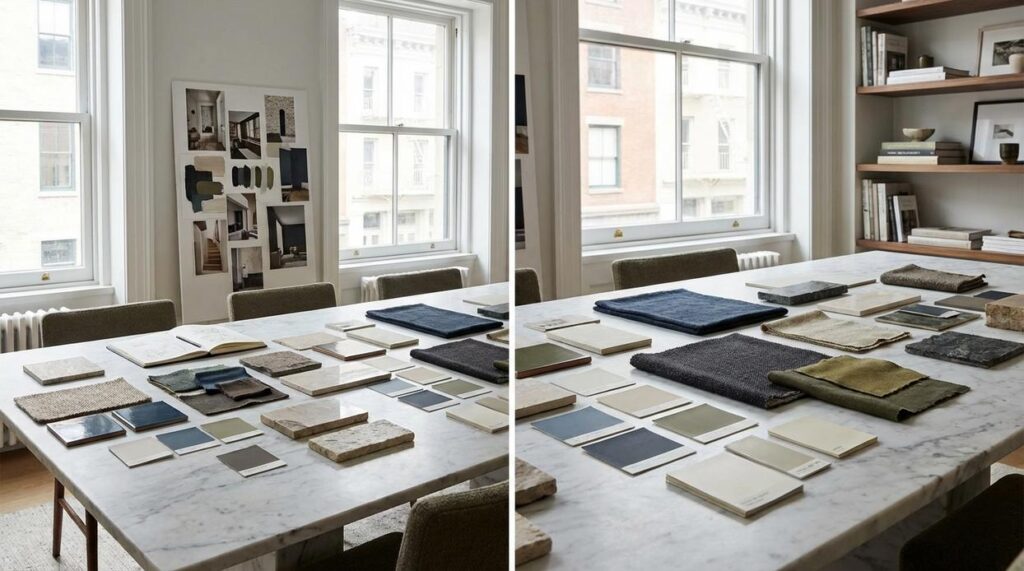
Texture refers to how a surface feels or appears to feel. A wool throw, linen curtains, smooth ceramic, or raw wood adds depth without adding noise. When everything is neutral, texture becomes the star (quietly, of course).
Material Honesty
Material honesty means letting natural materials look like themselves—wood that shows grain, stone with subtle imperfections, cotton that wrinkles slightly. These elements ground a room and prevent it from feeling staged. For more cohesion tips, see how to blend scandinavian and contemporary styles.
Function First: Selecting Minimalist Furniture
Minimalism sounds simple in theory. In practice, it can feel surprisingly subjective. What looks “essential” to one person may feel sparse to another. Still, one principle holds up: quality over quantity.
Instead of filling a room with several budget pieces, invest in a few well-made items built to last. Solid wood frames, durable upholstery, and timeless finishes typically outperform trend-driven buys (and often save money long term, according to Consumer Reports’ furniture durability guidance). I’ll admit—there’s debate here. Some argue affordable furniture allows flexibility as tastes change. That’s fair. But constantly replacing low-quality pieces creates clutter and waste.
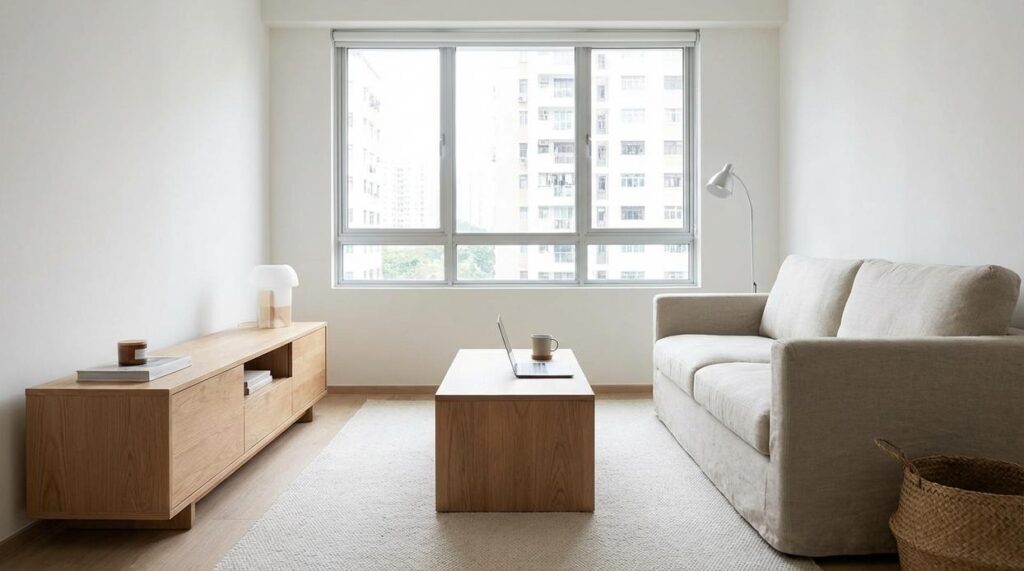
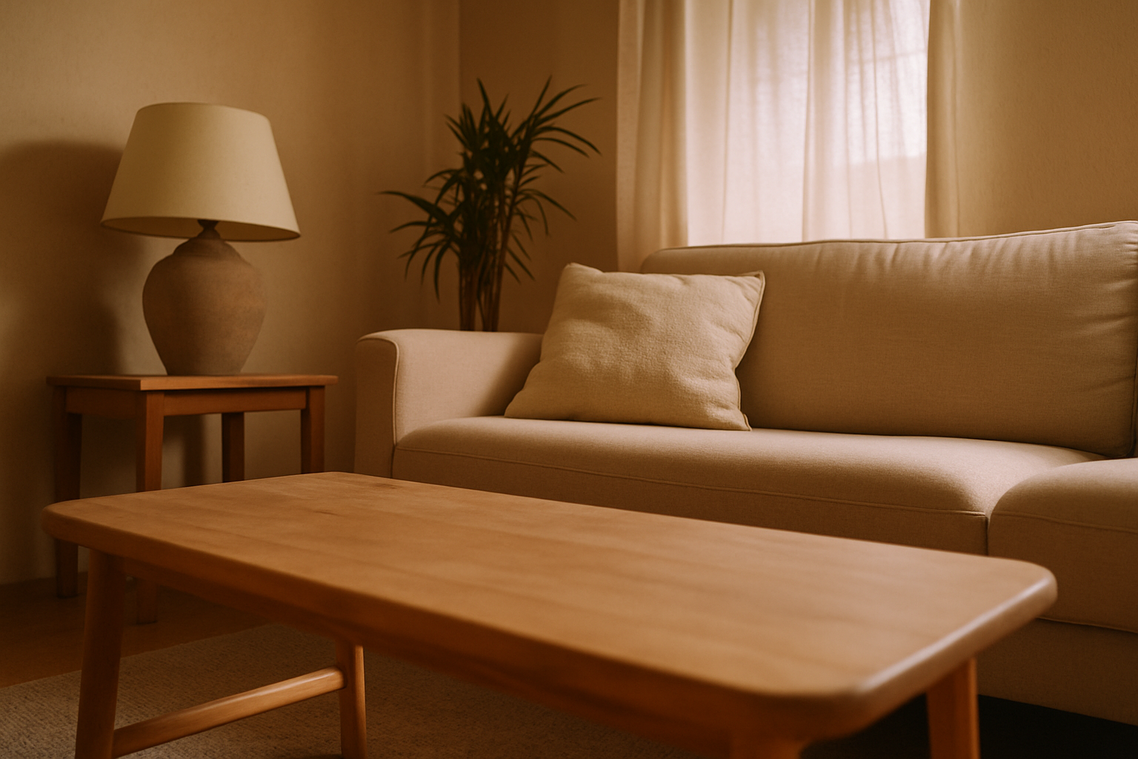
Next, consider clean lines and simple forms. This means furniture with straight or gently curved legs, minimal hardware, and geometric silhouettes. No ornate carvings. No excessive tufting. Picture a streamlined sofa with square arms or a rectangular coffee table with slim metal legs. Think less palace, more gallery.
Then there’s the backbone of modern minimalism: multi-functional pieces. A storage ottoman that hides blankets. A nesting coffee table set that expands when guests arrive. A console table that doubles as a desk. (Pro tip: measure twice—multi-use only works if the scale fits your space.)
Finally, create negative space, or visual breathing room. Arrange furniture to allow clear pathways and open sightlines. Designers often reference this concept when sharing minimalist living room ideas because openness reduces visual stress (a principle supported by environmental psychology research from the University of Minnesota). In the end, less truly is more—though how much less? That part, admittedly, depends on you.
Intentional Details: Lighting and Décor
When it comes to layering light, I always say less, but better. In a minimalist space, you still need ambient lighting (overall illumination), task lighting (focused light for reading or working), and accent lighting (highlighting a feature). However, instead of piling on fixtures, I prefer a single sculptural floor lamp, one understated pendant, or discreet recessed lighting. It feels calmer—and frankly, more intentional.
Then there’s décor. In my view, one large statement artwork beats a busy gallery wall every time. A single focal point gives the eye somewhere to rest (and avoids visual noise).
Similarly, bringing nature in works best with restraint. One elegant plant—a Fiddle Leaf Fig or Snake Plant—adds life without clutter.
For surfaces, I stick to the “Rule of Three”: group three objects of varying heights. It’s a classic styling principle that consistently elevates minimalist living room ideas without overcomplicating the room.
Living Intentionally: Maintaining Your Peaceful Space*
You now have the toolkit. The real shift is choosing intentional over accidental design.
Consider this comparison:
- Room A: Packed shelves, trendy extras, constant visual noise.
- Room B: Clear surfaces, purposeful décor, breathing room.
Both may be stylish. Only one feels like exhaling after a long day.
By focusing on subtraction, function, and quality, you’ve solved the “empty vs. inviting” dilemma. Minimal doesn’t mean cold; it means curated (there’s a difference).
Following proven minimalist living room ideas ensures your space stays calm—and easy to maintain.
Start small. Clear one surface today. Notice the shift immediately.
For those looking to enhance their minimalist living room while prioritizing eco-friendliness, incorporating sustainable building materials can beautifully complement your clean aesthetic, as discussed in our article on Understanding Sustainable Building Materials.
Bringing Your Space Together with Confidence
You came here looking for minimalist living room ideas that actually work in real homes — not just in perfectly staged photos. Now you have a clear direction: simplify your layout, focus on functional furniture, layer in intentional textures, and let every piece serve a purpose.
Cluttered, overwhelming spaces create stress you don’t need. A thoughtfully designed minimalist living room brings calm, clarity, and room to breathe — without sacrificing warmth or personality. The difference isn’t about having less for the sake of less; it’s about choosing better.
Now it’s time to act. Start by removing three items that don’t serve your space. Rearrange your layout for flow. Add one intentional statement piece that grounds the room. Small changes create immediate impact.
If you’re ready to transform your home into a clean, functional, beautifully modern space, explore more of our proven home styling and DIY guides. Thousands of readers trust our practical, easy-to-follow advice to simplify their homes with confidence. Take the next step today and start building a living room that finally feels right.
 Deyvian Selmorne founded Ththomable with a clear mission: to simplify the complexities of modern homeownership by blending practical fundamentals with forward-thinking design. Driven by a passion for smart living and aesthetic harmony, Selmorne has curated a platform that serves as both a tactical guide for DIY improvements and a source of inspiration for contemporary décor. By bridging the gap between specialty technical insights and everyday domestic optimization, he empowers individuals to transform their living spaces into efficient, stylish sanctuaries that reflect the best of modern innovation.