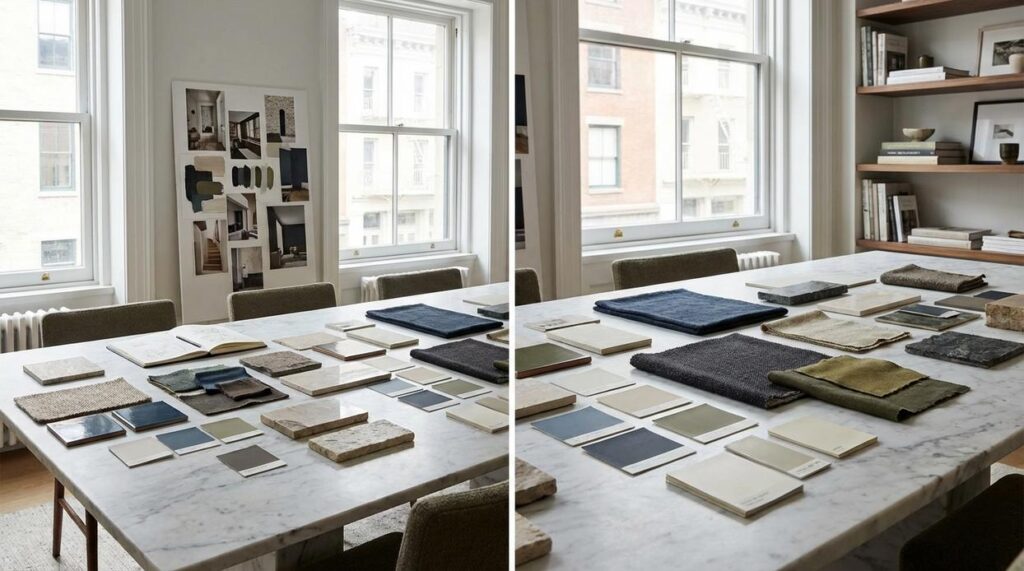
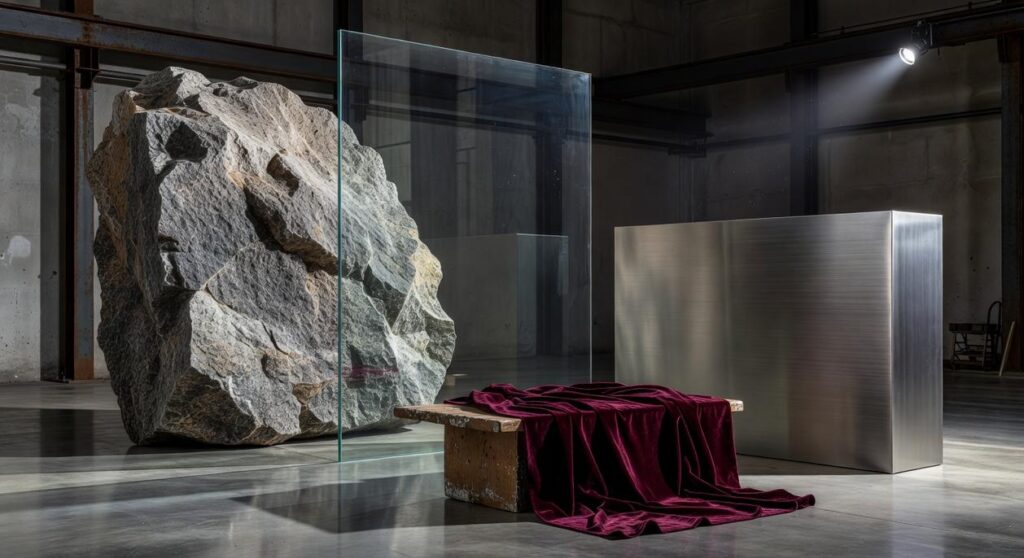
Blending comfort with clean sophistication, the scandinavian contemporary style has become a defining look for modern homes seeking both warmth and refinement. This guide explores how to successfully merge Scandinavian simplicity—known for its soft textures and natural tones—with the sleek lines and subtle boldness of contemporary design. Many homeowners struggle to create minimalist spaces that feel inviting rather than cold or sterile. Here, we break down the essential elements, from calming color palettes to purposeful furniture choices, offering a clear roadmap to achieving balance. Drawing on established interior design principles and expert-backed styling insights, this article delivers practical, trustworthy guidance you can confidently apply to your own space.
Understanding the Scandi-Contemporary Fusion
To effortlessly fuse Scandinavian simplicity with contemporary flair in your home, consider exploring practical tips and clever ideas in our article, ‘Home Hacks Ththomable,’ which will inspire you to elevate your design aesthetic.
Scandinavian design begins with hygge (a Danish concept of everyday coziness), functionality, and a deep connection to nature. Think pale woods, wool throws, and rooms arranged to catch every possible drop of sunlight (because winter is long and nobody wants to live in a cave). In addition, furniture is practical without being fussy, proving that beauty and usefulness can share a sofa.
Meanwhile, contemporary design leans into clean lines, uncluttered spaces, and neutral palettes sparked by bold accents. Glass, metal, and sharp geometry create an edited look that feels current rather than cold. However, critics sometimes argue it can veer sterile (hello, waiting room chic).
Here’s where the magic happens. When you blend them, natural textures soften contemporary’s crisp edges, while strong silhouettes keep Scandinavian charm from drifting into cabin cosplay. As a result, the scandinavian contemporary style balances warmth and structure. For example, pair a sleek black pendant light with a chunky oak dining table. The contrast feels intentional, not accidental. Ultimately, it’s minimalism with a heartbeat—tidy, inviting, and just bold enough to keep things interesting. It proves you can have simplicity without sacrificing soul or personality in your home every single day comfortably.
Building Your Foundation: The Scandi-Contemporary Color Palette
Color sets the emotional temperature of a room. Get the base right, and everything else clicks into place.
-
The Base Layer: Light vs. Loud
A Scandinavian core favors crisp white, light gray, soft beige, or muted blue. These shades reflect natural light and make small rooms feel expansive. Compare that to bold wall colors as a starting point—dramatic, yes, but often visually shrinking. Think airy gallery wall vs. moody nightclub. Both work, but only one fits a scandinavian contemporary style foundation. -
Adding Contemporary Contrast: Subtle vs. Stark
Introduce black, charcoal, or deep navy through window frames, lighting, or a single chair. A little contrast sharpens the room (like eyeliner for your space). Too much, and it feels industrial rather than modern. -
The Accent Pop: One vs. Many
Choose one muted accent—terracotta, sage, or dusty rose—through cushions or art. One focal hue feels curated; five feels chaotic.
A Dialogue of Materials: Pairing Natural Textures with Sleek Finishes
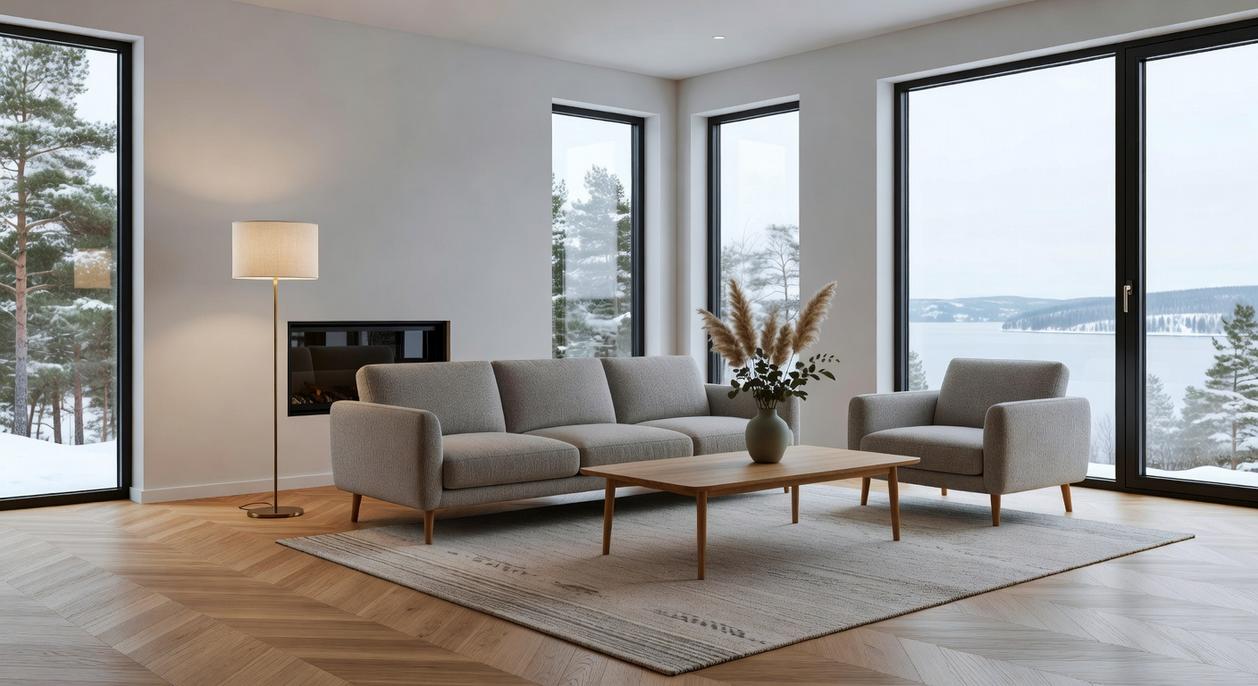
I remember the first time I swapped out my dark walnut floors for light oak. The room exhaled. Suddenly, everything felt brighter, calmer—like the space had been holding its breath. That’s the quiet power of light-toned woods such as ash, birch, and light oak. These materials reflect more natural light (a practical win, not just an aesthetic one) and create the clean backdrop essential to scandinavian contemporary style.
To keep that brightness from feeling sterile, layering texture is key. The Danish concept of hygge—a sense of cozy contentment—comes alive through tactile elements. Think:
- Wool rugs underfoot
- Linen upholstery that softens sharp lines
- Shearling throws draped casually over a chair
- Chunky knit blankets for depth
In my own living room, adding a thick wool rug instantly balanced the minimal palette (and saved my feet on cold mornings).
But warmth alone can tip rustic. That’s where sleek counterpoints step in. Black powder-coated metal legs, a concrete coffee table, or slim glass partitions introduce contrast without clutter. Glass, especially, preserves that open, airy flow.
If you’re exploring broader updates, see modern kitchen design trends for 2026 for ideas that echo this balanced approach.
Furnishing the Space: A Focus on Form and Function
To me, the “less is more” philosophy isn’t about owning less; it’s about choosing better. Every chair, table, or console should earn its place. If a piece doesn’t serve a clear function or allow visual breathing room, it’s clutter (even if it’s expensive). In a scandinavian contemporary style home, restraint feels warm, not stark.
That’s why I gravitate toward low-profile sofas with clean lines and no fussy trim. Leggy armchairs and sideboards—raised on slim legs—create the illusion of square footage because you can see light flow underneath. Likewise, a simple, unadorned dining table often feels more inviting than something heavily carved.
Of course, some argue maximal spaces feel cozier. Fair point. But I find clarity calmer and practical for living.
DIY tip: paint an wooden dresser matte black and swap bulky knobs for minimalist hardware. Pro tip: measure twice before committing.
Illuminating and Accessorizing Your Home
Great rooms feel layered, not loud. Start with ambient lighting (overall light from ceiling fixtures), add task lighting (focused light for reading or cooking), then finish with accent lighting (spotlights highlighting art or shelves). Choose one sculptural, geometric pendant as a focal point—think of it as the room’s statement necklace.
Next, bring nature indoors. Place snake plants or ZZ plants in simple ceramic or concrete pots; they thrive on neglect (seriously).
Keep decor minimal. Style open shelves with beautiful mugs, stack books horizontally, and hang one large abstract piece for a scandinavian contemporary style look.
Crafting a Personal and Timeless Sanctuary
You set out to create a home that feels calm, modern, and unmistakably yours—and now you have the blueprint to make it happen. By embracing the scandinavian contemporary style, you’re not just following a trend; you’re solving the real frustration of spaces that feel cluttered, cold, or impersonal.
With a thoughtful color palette and a commitment to simplicity, you can transform visual chaos into a serene, functional sanctuary that reflects your lifestyle every day.
If you’re ready to stop second-guessing your design choices and start loving your space, explore our proven home guides trusted by thousands of modern homeowners. Start today and turn your vision into a timeless reality.
 Evelyna Fleshericard serves as a lead editorial voice at Ththomable, where her keen eye for aesthetic balance and functional elegance shapes the platform’s décor and style initiatives. With an extensive background in contemporary interior design, she specializes in translating abstract "modern inspiration" into actionable layouts for the everyday homeowner. Evelyna’s contributions are centered on the philosophy that a home should be a curated reflection of one's personality, and she consistently provides readers with the high-end design principles and specialty insights needed to achieve a premium, sophisticated living environment.