Creating a home that feels comfortable, functional, and inspiring doesn’t happen by accident—it comes from understanding the fundamentals and making smart, intentional upgrades. If you’re looking for practical ways to improve your space, explore modern décor ideas, or integrate technology like smart lighting systems into your daily life, this guide is designed with your goals in mind.
Many homeowners feel overwhelmed by endless design trends and conflicting DIY advice. This article cuts through the noise by focusing on what truly works: foundational home principles, realistic improvement tips, and smart living setups that enhance both style and efficiency.
Our insights are grounded in hands-on experience with home improvement strategies, modern design applications, and functional living solutions. You’ll find clear, actionable guidance to help you upgrade your home with confidence—whether you’re refreshing a single room or rethinking your entire space.
Beyond the Switch: What Exactly Is “Intelligent Lighting”?
In addition to upgrading your lighting, consider how a well-lit space can enhance the atmosphere of your newly installed floors, which you can learn about in our Beginner’s Guide to Laying Laminate Flooring.
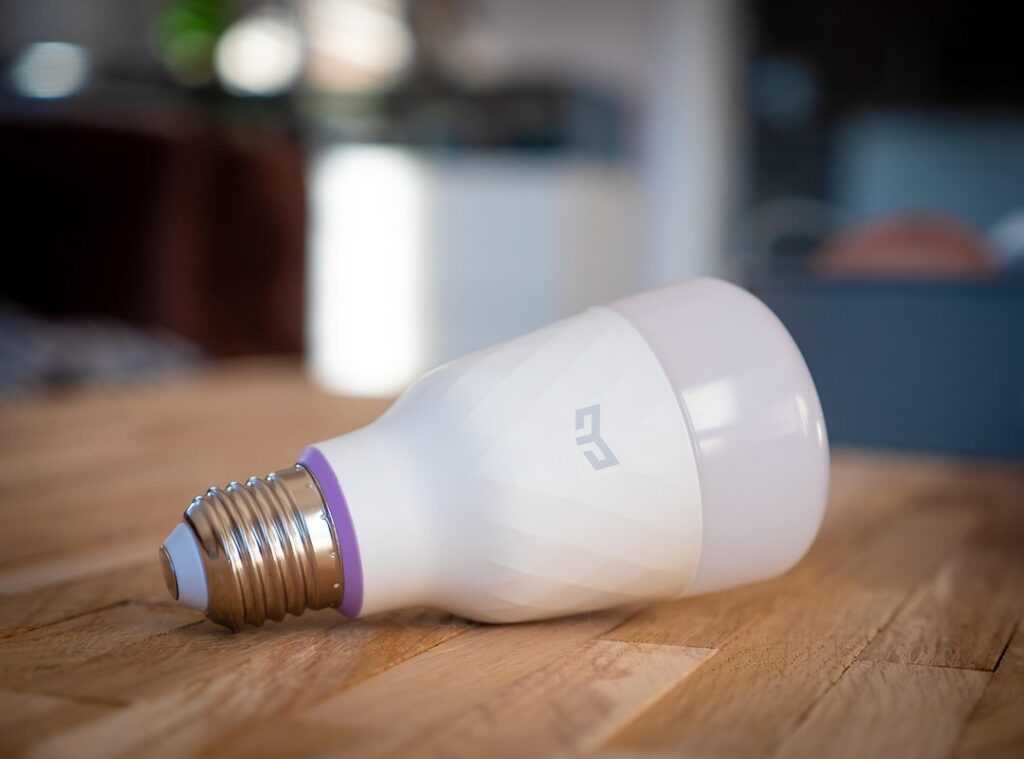
Have you ever wondered why your lights can’t just know when to turn off? Intelligent lighting moves beyond the basic flip of a switch and into a connected network of lights you can control remotely or automate entirely. In simple terms, it’s lighting that thinks ahead (so you don’t have to).
Here’s how it works:
- Smart bulbs act as the light source, often using energy-efficient LEDs.
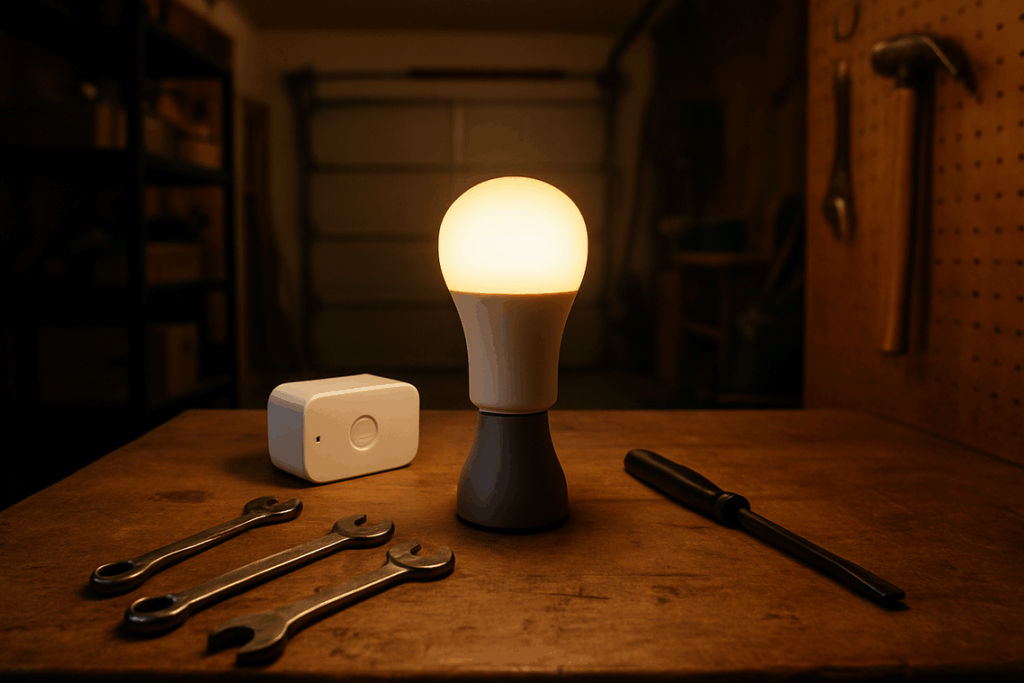
- Hubs or bridges serve as the brain, coordinating signals.
- Sensors detect motion, daylight, or occupancy.
- Apps and voice assistants let you control everything from your phone or with a quick command.
Sound futuristic? It’s already common in many homes using smart lighting systems.
So how does this save energy? Automation turns lights off when rooms are empty. Scheduling prevents all-night overuse. Dimming reduces wattage consumption—cutting electricity use compared to traditional on/off lighting (U.S. Department of Energy). Why waste power when your lights can work smarter?
Enhanced convenience is the gateway perk. First, schedule lights to turn on at sunset and off at bedtime, so you’re never fumbling for switches. Then, add remote access for those nights you forget to turn something off while traveling. Finally, connect voice assistants for hands-free control when your arms are full of groceries.
Beyond convenience, security improves dramatically. Activate “vacation mode” to mimic real occupancy patterns; studies show visible lighting reduces burglary risk (U.S. Department of Justice). Pair lights with motion sensors near entry points to startle intruders and alert you instantly. If safety matters, prioritize these features first.
Next, design ambiance intentionally. Choose dimmable, color-changing bulbs for movie nights, warm dinner gatherings, or crisp, cool tones for focused work. In fact, lighting temperature influences mood and productivity (Harvard Health).
Most importantly, support your body’s natural rhythms. Circadian rhythm lighting shifts brightness and color throughout the day, echoing sunrise and sunset to improve sleep quality (Sleep Foundation). When selecting smart lighting systems, look for automation presets that adjust gradually, not abruptly. Ultimately, start with security, layer convenience, and finish with wellness-focused scenes for a balanced, responsive home environment. Small upgrades today create lasting comfort and confident control for years ahead.
Choosing Your Path: The Main Types of Smart Lighting Solutions
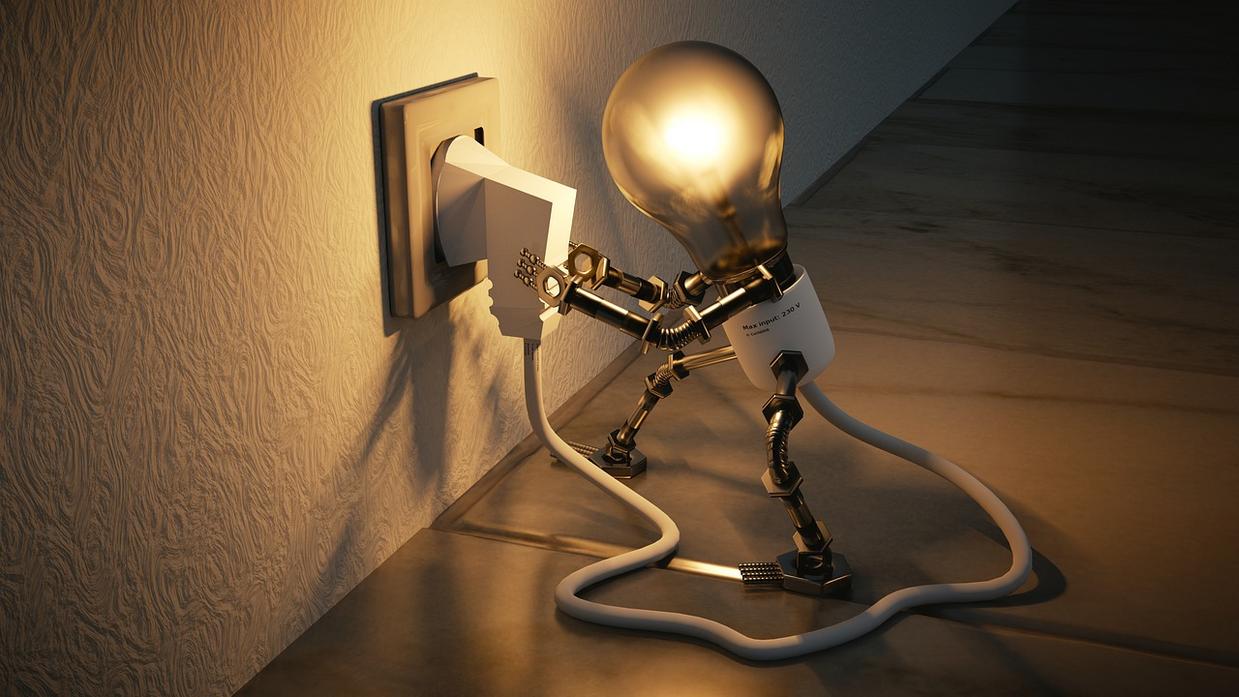
Choosing between different smart lighting systems can feel like standing in the lighting aisle at a hardware store times ten. Each option works—just in different ways. Here’s how to decide.
1. Individual Smart Bulbs
Best for beginners. These are Wi‑Fi or Bluetooth-enabled bulbs you screw into existing fixtures. Setup usually takes under 10 minutes: install the bulb, download the app, connect to Wi‑Fi, and you’re done.
Pros: Low upfront cost, no wiring, renter-friendly.
Cons: If someone flips the wall switch off, the bulb loses power (and smarts).
Some argue bulbs are “toy upgrades.” That’s fair—if you want whole-home control. But for apartments or testing the waters, they’re practical and affordable.
2. Smart Switches and Dimmers
Best for long-term upgrades. These replace your wall switch and control the entire circuit.
Pros: Works with regular bulbs, always powered, cleaner look.
Cons: Requires wiring. If you’re unsure, hire an electrician.
Pro tip: Check for a neutral wire before buying—many smart switches require one.
3. Smart Plugs
Plug a lamp into a smart plug, connect via app, and schedule it.
Pros: Portable, versatile.
Cons: Bulky and useless for hardwired ceiling lights.
Great for seasonal décor or that corner lamp you always forget to turn off.
4. Fully Integrated Systems
These connect lighting, sensors, and scenes through a central hub.
Pros: Reliable, scalable, advanced automation.
Cons: Higher cost and setup complexity.
If you’re building a connected home, read a complete guide to home automation hubs before committing. Some say full systems are overkill—but if you value seamless control (think “movie mode” at one tap), they’re hard to beat.
A Buyer’s Checklist: 4 Questions to Ask Before You Purchase
Before you click “Add to Cart,” pause. The right choice now saves you headaches later (and possibly a few returns).
1. Is it compatible with your ecosystem?
If you already use Amazon Alexa, Google Assistant, or Apple HomeKit, make sure your device plays nicely with it. Ecosystem compatibility simply means your devices can “talk” to the same platform. My recommendation: stick with the assistant you already use daily. Mixing systems sounds flexible—but often turns into a tech juggling act.
2. What connectivity protocol does it use?
Wi-Fi devices connect directly to your router—simple, no hub required. But load up too many and your network can feel crowded (like too many guests on the Wi-Fi at a party). Zigbee or Z-Wave require a hub, yet they’re more stable for larger setups. If you’re building beyond one room, choose Zigbee or Z-Wave.
3. What features do you actually need?
Basic on/off and dimming works for most homes. Love ambiance? Look for color-changing, music syncing, or geofencing. Don’t pay for features you won’t use.
4. What’s your expansion plan?
Start small—or invest in smart lighting systems designed to scale across your entire home. I recommend buying with future rooms in mind.
Light Up Your Home, Lower Your Bills: The Ultimate Guide to Smart Lighting
High energy bills often come from outdated bulbs and poor controls. Smart lighting means internet-connected bulbs or switches you control via app, voice, or schedule.
Start here:
- Replace high-use bulbs with LEDs (they use up to 75% less energy, per U.S. Department of Energy).
- Install motion sensors in hallways and bathrooms.
- Set nighttime dimming schedules to cut wasted power.
For example, automate porch lights to switch off at sunrise. smart lighting systems track usage, helping you spot hogs. Group rooms by routine, not location.
Start With One Room and See the Difference
You now have the framework to choose lighting that fits your home and budget. Begin with one space—your living room or bedroom works well. Install a starter kit and connect it to phone in minutes. Program a simple schedule: lights dim at 9 p.m., brighten at 7 a.m. Notice the drop in energy use over a month (your utility app will show it).
Replace old bulbs with smart lighting systems and create scenes for reading, relaxing, or movie night. Small changes add up fast. Tweak brightness and track comfort and savings carefully.
Bring Comfort, Style, and Control Back to Your Home
You started this guide looking for clarity on how to create a home that feels modern, functional, and truly yours. Now you have the direction you need — from practical upgrades to design choices that enhance comfort and efficiency.
A home that lacks flow, proper lighting, or smart organization can feel frustrating every single day. Small inefficiencies add up. Outdated setups drain energy, time, and even money. But with the right improvements — especially integrating smart lighting systems — you can transform your space into one that works for you instead of against you.
The next step is simple: choose one upgrade and take action today. Whether it’s refining your décor, optimizing your layout, or installing smarter technology, progress starts with a single decision.
If you want trusted, practical guidance that simplifies home upgrades and delivers real results, explore more of our proven tips and step-by-step insights. Thousands of homeowners rely on these strategies to create spaces that feel modern, efficient, and inspiring.
Don’t settle for a home that feels outdated or inefficient. Start upgrading today and turn your space into a smarter, more comfortable place to live.
 As the primary technical strategist for Ththomable, Chasevsic Rieder focuses on the intersection of smart technology and domestic efficiency. He is responsible for demystifying complex home automation systems and providing the DIY improvement tips that allow users to modernize their infrastructure without unnecessary stress. Chasevsic’s expertise ensures that "smart living" is accessible and reliable, offering a tactical approach to home fundamentals that prioritizes performance and long-term optimization. His work empowers the community to build smarter, more responsive homes through precise, expert-backed guidance.