Your home should be more than a place of comfort—it should be your strongest line of defense. This guide explores how home security has evolved from basic alarm systems into intelligent, connected ecosystems designed to protect and simplify everyday life. Traditional systems only react after something happens. Today’s smart home security solutions take a proactive approach, using automation and advanced connectivity to anticipate risks and enhance peace of mind. Drawing from years of hands-on experience testing and optimizing smart living setups, this article breaks down exactly how these technologies work together to create safer, more responsive homes.
The Core Components of a Connected Security System
A connected security system isn’t just a camera on the wall. It’s a coordinated network of devices that “talk” to each other (like a group chat that actually gets things done).
Smart Cameras: More Than Just Recording
Modern cameras use AI-powered detection, meaning artificial intelligence that distinguishes between people, packages, pets, and passing cars. As one homeowner told me, “I stopped getting alerts every time a squirrel ran by. Now it only pings when it matters.”
You’ll typically choose between:
- Indoor cameras for monitoring living spaces or nurseries
- Outdoor cameras built to withstand weather and capture wider angles
- Doorbell cameras that combine video with motion alerts at your front door
Features like two-way audio let you say, “Please leave the package by the planter,” even when you’re miles away. Activity zones (custom areas you define for alerts) cut down on notification overload.
Intelligent Sensors: The Nervous System
If cameras are the eyes, sensors are the reflexes. Entry sensors detect when doors or windows open. Motion detectors track unexpected movement. Glass break sensors listen for the specific frequency of shattering glass.
“They’re instant,” a renter explained. “The second the door opened, my phone buzzed.” That immediacy is what makes smart home security solutions proactive instead of reactive.
Automated Locks & Access Control: First Line of Defense
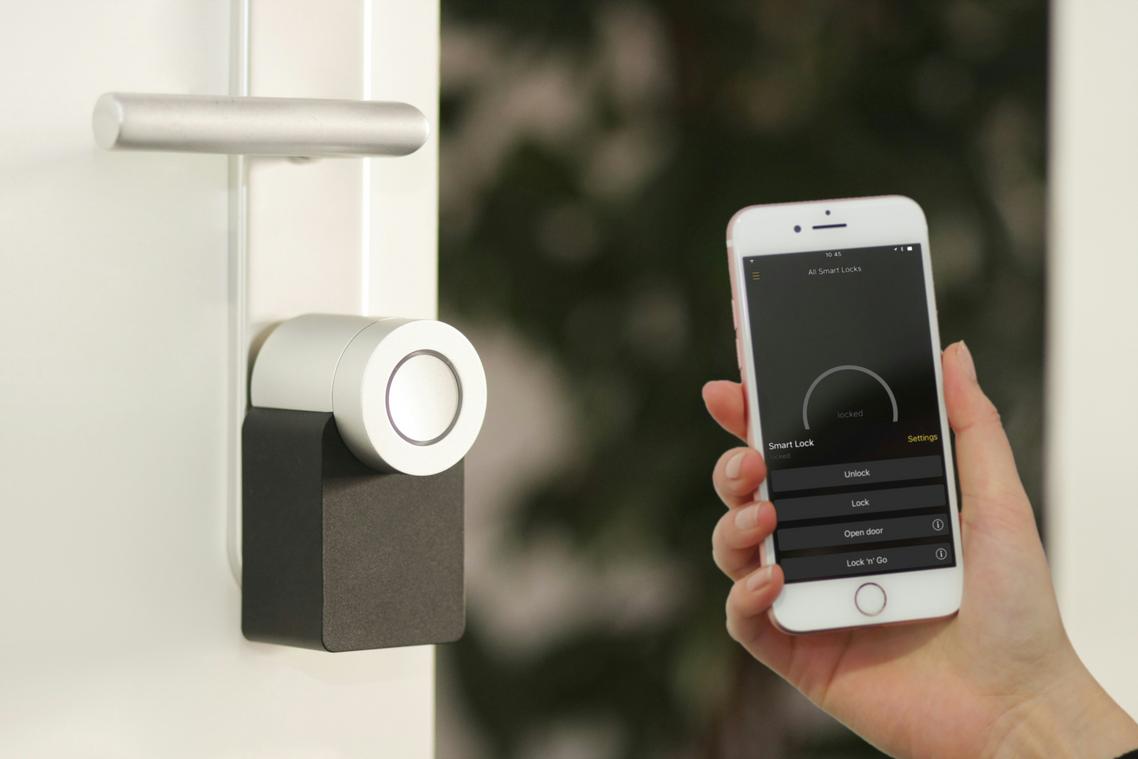
Smart locks eliminate spare-key anxiety. With keyless entry, remote locking, and temporary access codes, you stay in control. As one host put it, “I gave the dog walker a code that expires at 3 p.m.—no awkward key handoffs.”
Together, these components create layered, connected protection.
How Automation Creates an Impenetrable Digital Shield
Modern security isn’t just about alarms—it’s about automation working quietly in the background. When set up correctly, your home responds faster than you ever could (and without forgetting, unlike most of us).
Creating Security Routines
Start with two foundational modes: Home and Away.
- Home Mode: Doors auto-lock at a set time, exterior lights activate at sunset, and motion sensors ignore indoor pets (no 2 a.m. false alarms).
- Away Mode: Arming the system locks all doors, turns off unnecessary lights, adjusts the thermostat to an energy-saving setting, and activates cameras.
These routines remove human error—the biggest security vulnerability, according to the FBI’s burglary statistics, which show many break-ins involve unlocked entry points (FBI Uniform Crime Reporting Program).
Pro tip: Add a 60-second exit delay in Away Mode so you’re not racing the clock every morning.
The Power of “If This, Then That” Logic
“If This, Then That” (IFTTT) logic means creating automated cause-and-effect rules. For example:
- If the front door sensor is triggered after 10 PM, then turn on all hallway and exterior lights and send a critical alert to my phone.
- If motion is detected in the backyard, then activate the floodlights and start recording.
- If smoke is detected, then unlock smart locks for emergency access.
These layered responses create smart home security solutions that react instantly—often faster than traditional monitored systems alone.
Some skeptics argue automation adds complexity and more points of failure. That’s fair. But properly configured systems actually reduce risk by eliminating inconsistent human habits (like forgetting to arm the system).
Integration with the Broader Smart Home
Security becomes far more effective when integrated. Connect your system to smart speakers for audible alerts or use lighting automation to simulate occupancy while you’re away. Randomized evening lighting patterns create a convincing “lived-in” look—a proven deterrent according to criminology research from the University of North Carolina.
For deeper setup strategies, explore these voice assistant integration tips for every room.
Automation isn’t about paranoia. It’s about preparedness—quiet, consistent, and always on guard.
Beyond Intrusion: Advanced Protection for Total Peace of Mind
When most people think about home security, they picture burglar alarms and motion sensors. But true protection goes beyond intrusion detection. It’s about safeguarding your home from everyday risks that quietly cause the most damage.
Environmental Monitoring
House fires, carbon monoxide leaks, burst pipes—these threats are more common than break-ins (National Fire Protection Association). Connected smoke and CO detectors send instant alerts to your phone, whether you’re at work or on vacation. That means you’re not relying on a neighbor to notice smoke.
Water leak and freeze sensors are equally powerful. A small drip under the sink can turn into thousands of dollars in repairs if left unnoticed. These devices detect moisture or temperature drops early, giving you time to act before drywall and flooring are ruined (and before insurance deductibles kick in).
Professional Monitoring vs. Self-Monitoring
Modern systems offer flexibility. With self-monitoring, you receive real-time notifications and decide what to do next. It’s cost-effective and ideal if you’re comfortable managing alerts.
Professional monitoring, on the other hand, provides 24/7 oversight. If an alarm triggers and you don’t respond, emergency services are dispatched automatically. Some argue this monthly fee isn’t necessary. But if you travel often or sleep through alerts, that backup can be invaluable.
Many smart home security solutions let you switch between these options, so you’re never locked in.
Privacy-First Features
Concerned about surveillance? You’re not alone. Look for systems with physical camera shutters, end-to-end encryption, and local storage options. These tools give you full control over your data.
For more practical steps, see this helpful home safety checklist.
Peace of mind isn’t just about stopping intruders—it’s about staying ahead of the unexpected.
Designing Your Personalized Home Safety Blueprint
You set out to understand how connectivity and automation can turn separate devices into one seamless protection plan—and now you have that foundation. A truly safe home doesn’t just respond to break-ins or hazards; it anticipates them. Without a proactive system, gaps remain that leave your family and property vulnerable to intruders and environmental threats alike.
By implementing smart home security solutions, you create a connected ecosystem that works together to deter, detect, and defend in real time.
Start today: assess your home’s biggest risk and install a smart lock or video doorbell. Take control now and build a safer, smarter home from the ground up.
 As the primary technical strategist for Ththomable, Chasevsic Rieder focuses on the intersection of smart technology and domestic efficiency. He is responsible for demystifying complex home automation systems and providing the DIY improvement tips that allow users to modernize their infrastructure without unnecessary stress. Chasevsic’s expertise ensures that "smart living" is accessible and reliable, offering a tactical approach to home fundamentals that prioritizes performance and long-term optimization. His work empowers the community to build smarter, more responsive homes through precise, expert-backed guidance.