
If you’re exploring biophilic interior design, you’re likely looking for practical ways to bring nature into your home—without turning your space into a greenhouse. The goal isn’t just adding a few plants. It’s about creating a healthier, calmer, and more visually balanced environment that supports how you live every day.
In this guide, you’ll discover what biophilic interior design really means, why it’s gaining momentum in modern homes, and how to apply its core principles in realistic, budget-friendly ways. From natural materials and organic textures to smart lighting and layout choices, we’ll break down the elements that make the biggest impact.
Our insights are grounded in established interior design principles, environmental psychology research, and practical home styling experience. We’ve analyzed what actually works in real living spaces—so you can confidently transform your home into a setting that feels connected, restorative, and intentionally designed.
Ever feel oddly restless at home, like you’re living in a beautifully decorated box? Modern life keeps us indoors, under artificial light, surrounded by screens. Over time, that disconnect from nature can heighten stress, disrupt sleep, and dull focus (studies link natural exposure to lower cortisol levels; see APA).
The fix isn’t moving to a cabin. Instead, try biophilic interior design—intentionally weaving natural elements into your space. Start small: add low‑maintenance plants, position seating near windows, use wood or stone textures, and choose earthy colors. Then layer in light and airflow. Gradually, room begins to feel calmer, grounded, and restorative.
The Living Core: Integrating Plants, Water, and Natural Light
A living space can feel either STATIC or ALIVE. The difference often comes down to how well you integrate plants, water, and sunlight—the essentials of biophilic interior design.
Plants: Decor vs. Functional Wellness
Snake Plant vs. Pothos. Both are low-maintenance, but they serve slightly different roles. Snake Plants tolerate low light and release oxygen at night, making them ideal for bedrooms (NASA Clean Air Study). Pothos, on the other hand, thrive in varied lighting and are known for filtering indoor pollutants like formaldehyde. Decorative plant or natural air assistant? Why not both.
Some critics argue that a single plant won’t dramatically change air quality. Fair. But studies in the Journal of Environmental Psychology show indoor greenery improves mood and focus. Even a small boost in mental clarity can make a home office feel less like a cubicle.
Natural Light: Curtains vs. Mirrors
Heavy drapes block light; sheer panels diffuse it. Add a mirror opposite a window to DOUBLE perceived brightness. Light-colored paint further amplifies daylight, helping your home track the rhythm of the day (your circadian system will thank you).
Water: Fountain vs. Aquarium
A tabletop fountain offers soft ambient sound. An aquarium adds movement and a living focal point. Research from the University of Exeter found viewing aquatic life reduces stress. Silent room or gentle ripple? The calmer choice is usually clear.
A Foundation of Nature: Using Wood, Stone, and Natural Textiles
The Warmth of Wood
Wood versus laminate is the classic showdown. Light oak floors bounce natural light and make compact rooms feel open, while rich walnut furniture adds depth and quiet luxury. Compare that to glossy engineered surfaces: they’re durable, yes, but often feel cold and uniform (like a showroom no one actually lives in). Real wood develops patina over time—scratches become stories, not flaws. That lived-in evolution is central to timeless interior foundations.
The Grounding Power of Stone
Stone countertops—granite, marble, or slate—offer tactile variation you simply won’t get from synthetic composites. Marble feels cool and refined; slate feels rugged and earthy. In A vs B terms: natural stone carries subtle veining and mineral shifts, while manufactured slabs aim for visual perfection. One connects you to the earth; the other imitates it. Even a small granite tray or stone backsplash can anchor a space through biophilic interior design principles.
Softening with Natural Fibers
To balance hard surfaces, layer textiles intentionally:
- Linen curtains for breathable light diffusion
- Wool rugs for warmth and sound absorption
- Cotton throws for everyday comfort
- Jute baskets for organic texture
Synthetics may cost less upfront, but natural fibers age better and feel richer underhand.
Inspired by the Landscape: Colors, Patterns, and Shapes
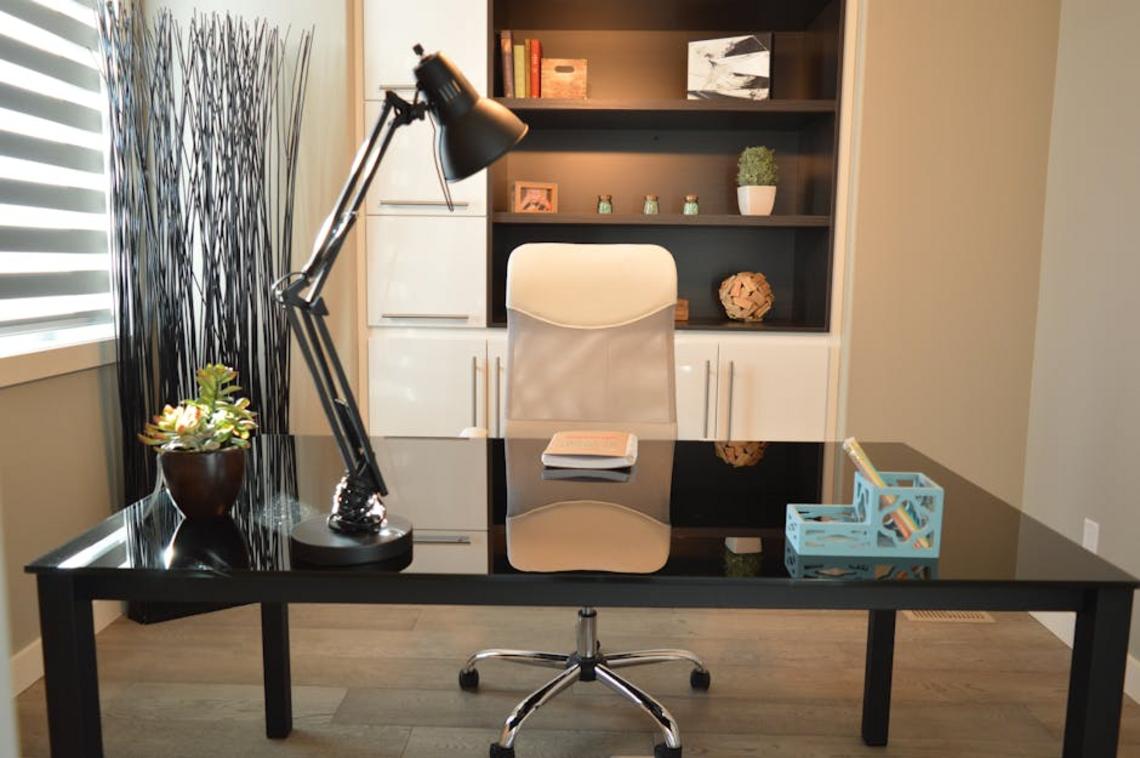
Bringing the outdoors in starts with a simple framework. First, choose an earthy base—think beige, taupe, or soft grey. These grounding hues act as visual “soil,” letting accent colors flourish. Next, layer in shades drawn directly from nature: forest green for depth, sky blue for calm, or sunset orange for warmth. This approach mirrors how landscapes naturally balance bold and subtle tones. Some critics argue neutrals feel boring; however, a restrained base actually gives accent colors room to shine (like a gallery wall for your furniture).
Beyond color, consider organic forms over rigid lines. Nature rarely works in perfect rectangles. A live-edge table preserves the raw contour of wood, while a round mirror or curved sofa softens a room’s energy. These flowing shapes reduce visual tension and make spaces feel more inviting—an essential principle in biophilic interior design.
Then, incorporate subtle natural patterns. Instead of literal jungle murals, try leaf-print cushions, floral motifs, or wood-grain wallpaper. These details evoke nature without overwhelming the eye. For example, textured wallpaper can add warmth while hiding minor wall imperfections (a quiet bonus).
If sustainability matters to you, explore understanding sustainable building materials to align beauty with long-term value.
High-Tech, Natural Feel: Seamlessly Integrating Smart Home Elements
Technology in your home shouldn’t feel like a blinking spaceship dashboard. Instead, think of it as an invisible stage crew—quietly adjusting the lights and temperature while you enjoy the show.
Circadian Rhythm Lighting
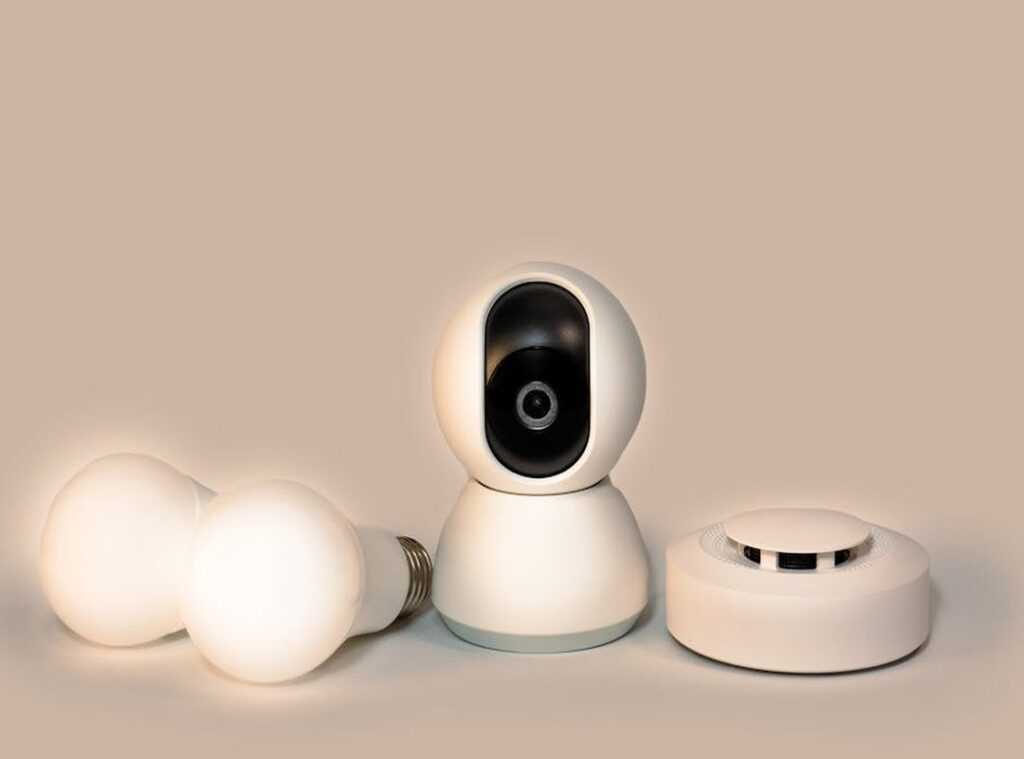
Smart lighting systems, such as Philips Hue, can mirror the sun’s daily arc—cool blue tones in the morning, warm amber by evening. This alignment with your body’s internal clock (your circadian rhythm, the 24-hour cycle regulating sleep and energy) has been shown to support better rest and focus (Sleep Foundation). It’s like giving your brain a gentle sunrise and sunset, even on cloudy days.
Concealed Technology
To keep the look organic:
- Tuck wires into fabric cable sleeves
- Use wooden media consoles
- Rest smart speakers on stone trays
The result echoes biophilic interior design—nature first, gadgets second.
Smart Climate Control
Meanwhile, smart thermostats and air purifiers act like an artificial breeze, continuously adjusting airflow and filtering pollutants (EPA). Pro tip: schedule subtle nighttime temperature drops to mimic natural outdoor cooling. The tech works quietly—like roots beneath the floorboards.
A few years ago, I remember standing in my living room feeling oddly restless. The space looked “finished,” yet it didn’t feel calming. So I started small: one leafy plant by the window, a woven basket, linen pillow covers. Gradually, the room softened. That’s when I understood the power of integrating living elements, choosing natural materials, and embracing organic colors and shapes.
In other words, this isn’t just decorating. It’s about shaping an environment that lowers stress, supports focus, and reconnects you to something grounding and real. Studies show that nature-inspired spaces can reduce cortisol levels and improve well-being (American Psychological Association). That’s the heart of biophilic interior design.
If you’re unsure, start with one room and one change. Add a plant. Swap synthetic fabrics for cotton or linen. Notice how the air—and your mood—shift.
Step by step, you’ll realize creating a nature-infused sanctuary isn’t overwhelming. It’s empowering, deeply personal, and absolutely within reach.
Create a Home That Works With You, Not Against You
You came here looking for clarity on how to design a space that feels balanced, functional, and aligned with modern living. Now you understand how thoughtful layouts, smart storage, natural elements, and biophilic interior design can completely transform the way your home looks and feels.
If your space has been feeling cluttered, uninspiring, or disconnected from your lifestyle, that frustration doesn’t have to continue. Small, intentional changes can reduce stress, improve flow, and make your home a place you genuinely enjoy spending time in.
The next step is simple: start with one room. Choose a space that causes the most friction in your daily routine and apply the principles you’ve learned—optimize the layout, bring in natural textures, improve lighting, and introduce greenery. Then build from there.
Thousands of readers trust our practical, easy-to-follow home guidance to turn overwhelming projects into achievable upgrades. If you’re ready to create a smarter, calmer, and more inspiring home, explore our expert tips and start transforming your space today.
 Evelyna Fleshericard serves as a lead editorial voice at Ththomable, where her keen eye for aesthetic balance and functional elegance shapes the platform’s décor and style initiatives. With an extensive background in contemporary interior design, she specializes in translating abstract "modern inspiration" into actionable layouts for the everyday homeowner. Evelyna’s contributions are centered on the philosophy that a home should be a curated reflection of one's personality, and she consistently provides readers with the high-end design principles and specialty insights needed to achieve a premium, sophisticated living environment.