
If you’re searching for a clear, practical sustainable building materials guide, you’re likely looking for more than a list of eco-friendly products. You want to understand which materials truly reduce environmental impact, how they perform in real homes, and whether they’re worth the investment. With so many “green” claims on the market, it’s difficult to separate marketing from materials that genuinely improve energy efficiency, durability, and indoor air quality.
This article is designed to give you exactly that clarity. We break down the most reliable sustainable building options, explain their real-world benefits, and highlight what to consider before choosing them for your project. Our insights are grounded in current building standards, environmental research, and proven home improvement practices, ensuring you get information that’s both practical and trustworthy.
By the end, you’ll have a confident understanding of which sustainable materials align with your goals, budget, and long-term vision for a smarter, healthier home.
Building a Greener Future: Your Essential Guide to Sustainable Materials
The traditional construction industry leaves a massive environmental footprint—accounting for nearly 37% of global carbon emissions (UN Environment Programme). Conventional materials like concrete and steel require energy-intensive production, leading to pollution, resource depletion, and higher long-term energy costs for homeowners.
So what’s the alternative?
This sustainable building materials guide breaks it down clearly:
- Sustainable materials: Resources that are renewable, recycled, or low-impact.
- Embodied energy: The total energy used to produce and transport materials.
- Energy efficiency: Designing homes to reduce long-term utility costs.
Think of it as building smarter, not just greener.
What Truly Makes a Building Material “Eco-Friendly”?
So, what actually qualifies a material as eco-friendly? It goes far beyond a green label. At its core, a “green” material minimizes environmental harm across its entire lifecycle—a process called Lifecycle Assessment (LCA), which evaluates impact from raw material extraction to manufacturing, transport, use, and end-of-life disposal or recycling. In other words, it’s not just about where it starts, but where it ends up.
Key characteristics matter. Renewable materials like bamboo regenerate quickly, while recycled-content materials such as reclaimed steel reduce demand for virgin resources. Likewise, products with low embodied carbon (the emissions produced during manufacturing) shrink your home’s overall footprint. Choosing locally sourced materials further cuts transportation emissions—good for the planet and often your budget.
Equally important, low-VOC (Volatile Organic Compound) materials improve indoor air quality, supporting better health. Ultimately, following a sustainable building materials guide helps you create a home that’s efficient, durable, and healthier—benefits you’ll appreciate daily.
The Foundation of Green Building: Structural Material Choices
By choosing sustainable building materials, homeowners not only contribute to environmental conservation but also create an ideal foundation for enhancing their living spaces, as further explored in our article on Home Upgrading Decoradtech.
Choosing the right structural material isn’t just about aesthetics—it shapes your home’s durability, energy performance, and environmental footprint. If you’re comparing options for a sustainable building materials guide, here’s what actually matters in real-world builds.
Bamboo: Fast-Growing Strength
Bamboo is technically a grass, but it rivals steel in tensile strength (strength under tension) according to research published in Construction and Building Materials (2015). It regenerates in 3–5 years, making it RAPIDLY RENEWABLE. However, many bamboo products are imported. Transportation emissions can offset some eco-benefits, so check sourcing. Pro tip: look for FSC-certified bamboo to ensure responsible harvesting.
Reclaimed Wood and Timber
Reclaimed wood reduces landfill waste and avoids the emissions of new lumber processing (EPA notes construction waste is a major landfill contributor). It also adds one-of-a-kind character (think modern farmhouse meets quiet luxury). The catch? Always verify structural integrity and prior treatment—old paint may contain lead.
Recycled Steel
Steel is infinitely recyclable without losing strength, according to the World Steel Association. That’s huge for circular construction. But initial steel production is energy-intensive. If possible, choose high-recycled-content steel to lower embodied carbon (total emissions from production).
Straw Bales
Straw bales repurpose agricultural waste and provide excellent insulation. Properly sealed, they’re surprisingly durable. Still, moisture control is critical—poor detailing can lead to rot. This method requires experienced builders.
Rammed Earth & Cob
These natural methods use local soil, offering low embodied energy and high thermal mass (they store and slowly release heat). They’re labor-intensive but incredibly low-impact when sourced nearby.
Beyond the Frame: Sustainable Options for Insulation and Finishes
When people talk about green homes, they usually obsess over solar panels. But insulation and finishes? That’s where real performance lives (and where energy bills quietly shrink).
Insulation Materials
Let’s challenge a myth: eco-friendly insulation isn’t “less effective.” In many cases, it outperforms synthetic options.
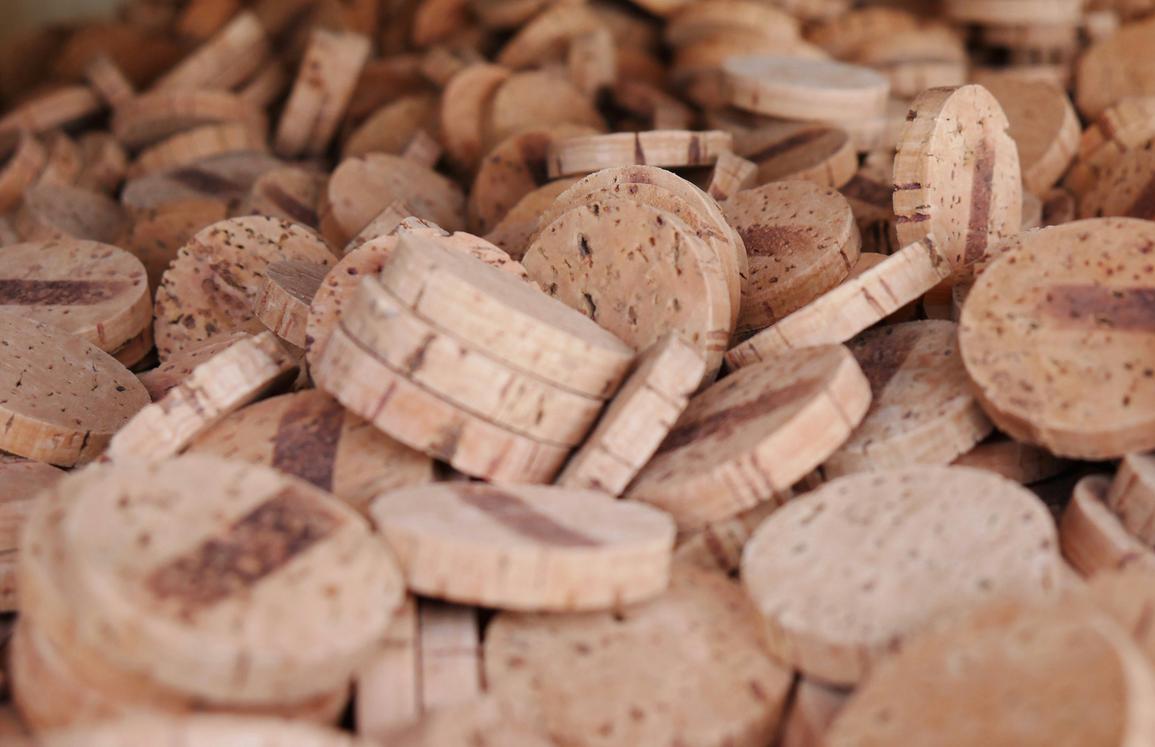
- Cork: Harvested from tree bark without cutting the tree down, cork is renewable, moisture-resistant, and an excellent thermal and acoustic insulator. Portugal supplies over 50% of the world’s cork (APCOR), proving this isn’t some fringe material. It’s durable, breathable, and surprisingly tough.
- Sheep’s Wool: Yes, actual wool. It regulates humidity by absorbing and releasing moisture and can bind indoor pollutants like formaldehyde (European Industrial Hemp Association reports similar hygroscopic benefits in natural fibers). That’s insulation that multitasks.
- Cellulose: Made from up to 85% recycled paper, cellulose often achieves higher R-values per inch than fiberglass (U.S. Department of Energy). It’s cost-effective and diverts waste from landfills.
Some argue fiberglass is cheaper and “good enough.” But good enough doesn’t age well in a climate-conscious world.
Interior and Exterior Finishes
- Low-VOC Paints: Volatile Organic Compounds (VOCs) are chemicals that off-gas into indoor air. The EPA links high VOC exposure to respiratory irritation. Low-VOC options dramatically improve indoor air quality.
- Natural Flooring: Bamboo regenerates in 3–5 years, cork is renewable, and linoleum is made from linseed oil and wood flour. Compare that to vinyl (petroleum-based). The difference isn’t subtle.
- Recycled Countertops: Surfaces made from recycled glass, paper, or plastic are durable and design-forward—less landfill, more personality.
If you’re serious about long-term value, explore a sustainable building materials guide and rethink what “standard” really means.
For small-space inspiration, revisit the rise of multifunctional furniture in urban homes. Pro tip: prioritize materials that improve both efficiency and air quality—your lungs will thank you.
How to Select the Right Green Materials for Your Project
Choosing green materials (products designed to reduce environmental impact across their lifecycle) doesn’t have to be overwhelming. Follow these practical steps:
-
Prioritize Local Sourcing
Materials shipped across the country rack up transportation emissions. Locally quarried stone or regionally milled lumber often has a smaller carbon footprint—and supports nearby businesses (a win-win). -
Balance Cost and Performance
Don’t just compare price tags. Bamboo flooring may cost more upfront than vinyl, but its durability can mean fewer replacements over time. Energy-efficient insulation lowers utility bills month after month. Pro tip: Calculate lifecycle cost, not just purchase price. -
Match Materials to Your Climate
Rammed earth works beautifully in hot, dry regions, while moisture-resistant treated wood suits humid climates. The wrong match leads to faster wear and higher maintenance. -
Look for Certifications
Seek labels like FSC for responsibly sourced wood or Cradle to Cradle for full product sustainability.
For deeper research, consult a sustainable building materials guide before final decisions.
Last year, during a kitchen remodel, I swapped conventional plywood for reclaimed wood. I feared higher costs and a rough, rustic look. However, the warmth and fresher air quickly changed my mind. That moment proved building sustainably is achievable and healthier for families and the planet. Conventional construction carries hidden toxins and carbon costs; meanwhile, cork, reclaimed wood, and cellulose are durable, beautiful alternatives.
Review this sustainable building materials guide before you start.
Material | Benefit
Cork | Renewable
Cellulose | Recycled
Next, research one local supplier or bring this list to your builder or architect for real lasting impact.
Build Smarter, Live Better Starting Today
You came here looking for clarity on how to make smarter, more sustainable choices for your home—and now you have a clear path forward. From understanding eco-friendly options to choosing designs that balance efficiency with style, you’re better equipped to create a space that supports both your lifestyle and the planet.
Ignoring sustainability often leads to higher energy bills, frequent repairs, and materials that simply don’t last. Making informed decisions now saves you money, reduces waste, and creates a healthier living environment for years to come.
If you’re ready to take the next step, start with a sustainable building materials guide to ensure every upgrade you make adds long-term value to your home. Thousands of homeowners are already transforming their spaces with proven, practical strategies—now it’s your turn. Explore the right materials, plan your next project, and begin building a smarter, more efficient home today.
 As the primary technical strategist for Ththomable, Chasevsic Rieder focuses on the intersection of smart technology and domestic efficiency. He is responsible for demystifying complex home automation systems and providing the DIY improvement tips that allow users to modernize their infrastructure without unnecessary stress. Chasevsic’s expertise ensures that "smart living" is accessible and reliable, offering a tactical approach to home fundamentals that prioritizes performance and long-term optimization. His work empowers the community to build smarter, more responsive homes through precise, expert-backed guidance.