A permanent standby generator is more than a box with a motor. It is a matched system that has to fit your home’s electrical service, real-world loads, fuel supply, placement constraints, and local rules. A good site visit uncovers those details before anyone talks model numbers. That assessment should confirm your service size and main breaker rating, identify essential circuits, verify natural gas or propane capacity, and pinpoint a location that meets clearances and noise expectations. It should also map the route for conductors, conduit, and the automatic transfer switch (ATS), and anticipate weather and maintenance access. Understanding what gets checked and why helps you ask sharper questions and avoid the two biggest headaches with standby power: mis-sizing the generator and discovering late-stage surprises that trigger change orders or inspection delays.
1. Electrical Service and Load Profile Drive kW Selection
The right kW rating starts with your service ampacity and what actually runs during an outage. A technician should document the main breaker rating, any subpanels, and the branch circuits you consider non-negotiable. They will look for high inrush loads such as air conditioning condensers (check the data plate for tonnage and locked rotor amps), well or sump pumps, and appliances with heating elements like ranges, ovens, or electric dryers. Tankless water heaters and EV chargers are especially demanding. Based on those specifics, you can discuss whether to back up the whole service or only priority circuits. If you want more background before that visit, reviewing what is typical for a Briggs & Stratton Standby Generator Dealer | Destination can clarify how dealers approach sizing and installation logistics.
There are two common paths. Whole-house backup usually pairs a generator with a service-entrance-rated ATS that becomes the service disconnect and switches all loads. Essential circuit backup uses a subpanel or load-center ATS that carries only selected circuits. The trade-off is comfort versus generator size: powering everything may require a larger kW unit. At the same time, a managed approach can keep a smaller generator by shedding nonessential loads when big motors start. Adding soft starters to air conditioners or using intelligent load-shedding modules can reduce starting surges. Still, those choices must be coordinated with your specific equipment and the ATS logic so inrush events do not pile up at once.
2. Fuel Source, Line Capacity, and Cold Weather Performance
Natural gas and propane are both proven fuels, but line capacity and regulator sizing make or break performance. A thorough assessment checks your gas meter’s cubic feet per hour rating, other connected appliances, and the available pressure at the tap point. For propane, tank volume, regulator stages, and pipe diameter over the run length determine whether the generator sees enough BTU per hour at full load. Undersized piping causes low-pressure faults, hunting speed, or under-frequency problems when big loads kick in. A tech should calculate fuel demand at rated kW, include starting surges, and confirm the meter, regulators, and piping can deliver that flow, especially in low temperatures when fuel density and vaporization change.
Consider a rural home with a 250-gallon propane tank located far from the pad. A cold snap reduces vaporization, and the long, small-diameter run adds pressure drop. Without adjustments, the generator may stumble when the well pump and furnace blower start at the same time. The remedy could be upsizing the tank, converting to a two-stage regulation with a properly sized second-stage line, or shortening the run. Cold weather kits and battery warmers can also stabilize starts in winter. There is a trade-off here, too: natural gas offers unlimited runtime tied to the utility, while propane provides independence at the cost of tank management and periodic refills.
3. Location, Clearances, and Noise Considerations
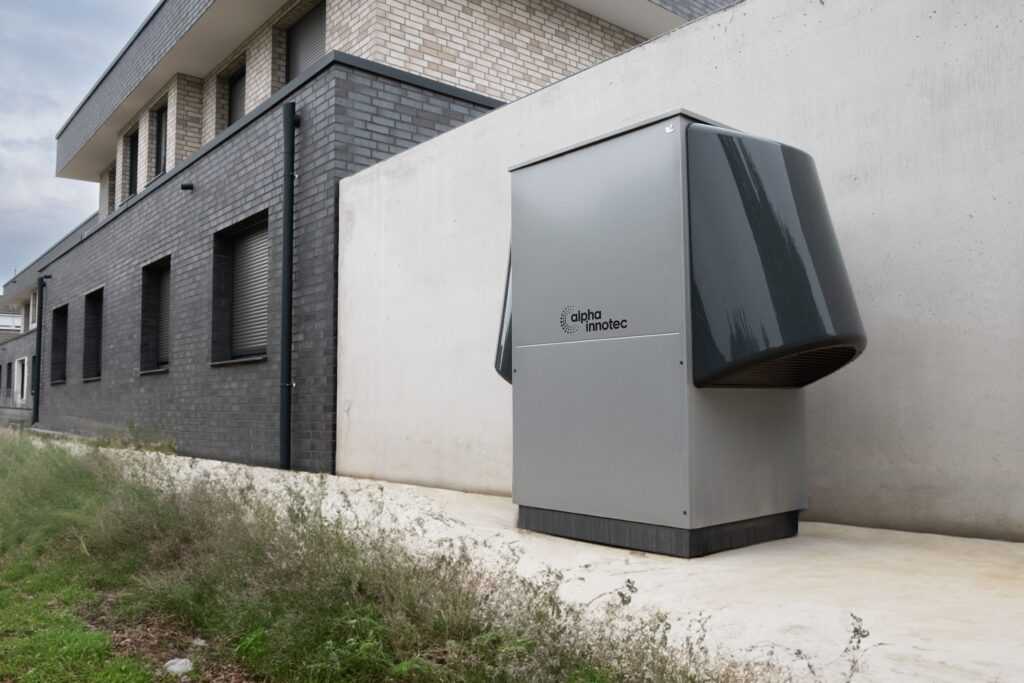
Choosing a spot is more than picking a corner of the yard. The pad needs a stable, level base, often poured concrete or a composite preformed pad sized to the enclosure footprint. The location must meet manufacturer and code-required clearances from doors, windows, and vents, and remain safely away from soffit intakes and crawlspace openings to avoid exhaust recirculation. Keep the unit out of flood-prone areas, and plan a clean route for conduit and conductors to the ATS without crossing obstacles. Think airflow: the enclosure needs fresh intake and a clear exhaust path to maintain temperature and emissions, especially during extended runs.
Sound matters, too. Manufacturers list a decibel rating at a standard distance, but where you place the generator shapes what you hear. A fence with louvered panels can deflect sound while preserving airflow and service access; a solid enclosure that chokes ventilation will not. Vibration-isolating pads and thoughtful orientation away from patio seating, bedrooms, or a neighbor’s window help. In dense neighborhoods or townhouse communities with HOA rules, scheduling the weekly exercise cycle midday can reduce complaints. One owner found that moving a proposed pad just eight feet away from a hard wall that reflected sound made the difference between a gentle hum and an irritating echo in a bedroom.
4. Transfer Equipment and Power Management Choices
The ATS directs the system’s traffic. A service entrance-rated ATS includes a disconnect and is designed to sit at the service point; a non-service entrance ATS typically feeds from a breaker in the main panel. Some homes require a switched neutral, while others keep the neutral solidly connected; that decision depends on the grounding and bonding setup and the generator’s neutral configuration. Weather-rated enclosures (NEMA 3R for outdoors) protect gear outside. The ATS short-circuit rating should meet or exceed the available fault current at the service, and grounding must be correct so downstream GFCI and AFCI devices work as intended.
Smart power management can stretch capacity without sacrificing comfort. Load-shedding modules or relay contacts prioritize big draws like a two-stage HVAC system, electric water heater, or pool pump so they don’t start together. Staged restart logic after an outage prevents inrush stacking that can pull the generator below 60 Hz and trip protection. A common mistake is marking too many high-demand appliances as “must run” without management, which invites nuisance shutdowns. Picture a summer storm: the 3-ton AC compressor, microwave, and a 1 hp well pump all try to start within seconds. With priority controls and soft starts where appropriate, those same loads can operate smoothly on a smaller generator.
Commissioning, Exercise Cycles, and Ongoing Care
A proper startup is more than flipping a switch. The installer should confirm voltage and frequency under load, verify line-to-line and line-to-neutral readings at the ATS, and test a full transfer both ways. Configure controller settings for automatic exercise and alerts, and activate any WiFi or cellular monitoring so faults and maintenance reminders don’t go unnoticed. Labeling the backed-up circuits helps everyone understand what is powered during an outage. It is also wise to perform a simulated outage with typical appliances running to confirm the power management sequence behaves exactly as planned.
Routine care keeps reliability high. Change oil and filters per the hour meter or annually if you do not reach the interval, using the viscosity recommended for your climate. Inspect and replace spark plugs and air filters on schedule, and keep the charger powered so the starting battery stays healthy. In snow country, clear intake and exhaust louvers after storms, and keep shrubs trimmed so foliage does not block airflow in summer. Propane systems benefit from checking regulator vents for obstructions. A quick monthly check during the exercise cycle for leaks, loose conduit fittings, or unusual vibration can catch small issues before they become outage-day problems.
A structured site assessment saves money and headaches by matching the generator, ATS, and fuel system to your home’s realities. Before a technician arrives, make a short list of priority circuits, take photos of your main panel and any subpanels, and snap the data plates on your air conditioner, well pump, electric range, tankless water heater, or EV charger. Note where you would prefer the pad and where noise would be least disruptive. Ask how load management will be implemented, what clearances will be maintained, and how fuel capacity and gas piping were calculated. Those specifics set clear expectations, reduce surprises during permitting and inspection, and help ensure the lights stay on when the grid goes dark.
 As the primary technical strategist for Ththomable, Chasevsic Rieder focuses on the intersection of smart technology and domestic efficiency. He is responsible for demystifying complex home automation systems and providing the DIY improvement tips that allow users to modernize their infrastructure without unnecessary stress. Chasevsic’s expertise ensures that "smart living" is accessible and reliable, offering a tactical approach to home fundamentals that prioritizes performance and long-term optimization. His work empowers the community to build smarter, more responsive homes through precise, expert-backed guidance.