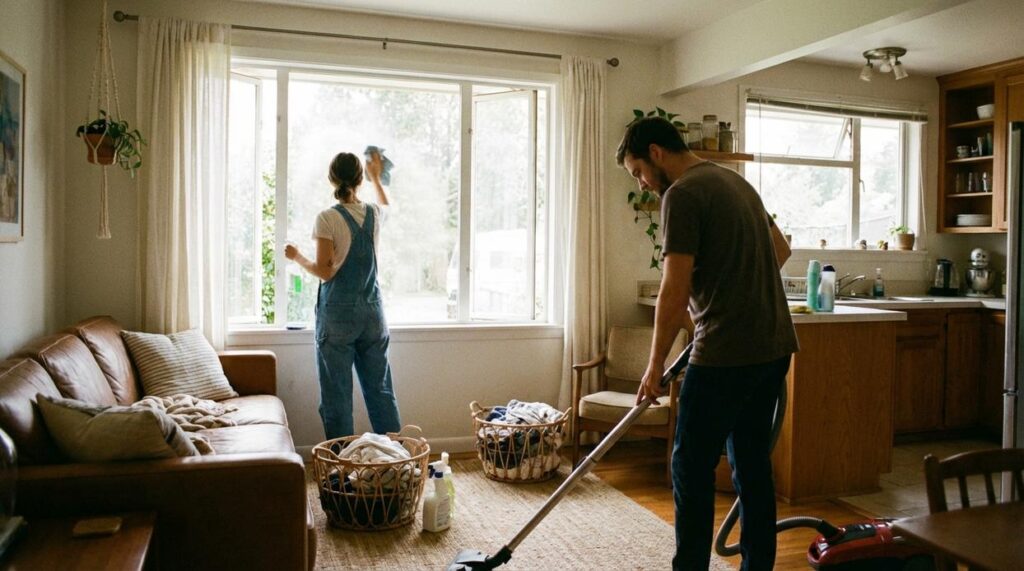
Keeping your home in top condition can feel overwhelming, especially when small issues quietly turn into costly repairs. If you’re searching for a clear, practical way to stay organized and protect your investment, this guide delivers exactly that. We’ve created a comprehensive home maintenance checklist designed to help you stay ahead of seasonal tasks, prevent common household problems, and maintain your home’s value with confidence.
This article breaks down essential upkeep tasks into simple, manageable steps—covering everything from routine inspections and safety checks to smart upgrades that improve efficiency and comfort. Every recommendation is based on widely accepted home care standards, practical field insights, and proven maintenance strategies used by experienced homeowners and professionals alike.
Whether you’re a first-time homeowner or looking to refine your upkeep routine, you’ll find actionable guidance that simplifies maintenance, saves money over time, and helps you create a safer, more comfortable living space.
Bring Order to Your Home: A Practical Care Schedule That Actually Works
First, let’s address the obvious: most cleaning systems fail because they’re unrealistic. A color-coded binder sounds great—until real life happens. Instead, this framework breaks tasks into daily resets, weekly focus zones, monthly upkeep, and seasonal deep dives. In other words, it works with your schedule, not against it.
Unlike a generic home maintenance checklist, this plan factors in modern realities—hybrid work, smart devices, and smaller living spaces. For example, five-minute nightly resets prevent weekend pileups (yes, laundry counts).
The result? Less overwhelm, more predictability, and a home that stays calm without constant effort.
The 15-Minute Daily Reset: Small Habits, Big Impact
Big transformations rarely come from big effort. More often, they come from small actions repeated daily. A 15-minute reset is exactly what it sounds like: short, intentional tasks that prevent chaos from quietly taking over your home (because clutter never announces its arrival).
Morning (5 mins): Make the bed.
This simple act creates instant visual order. Studies from the National Sleep Foundation suggest that people who make their beds are more likely to report better sleep quality. It’s a psychological win before coffee.
Throughout the Day (5 mins): Wipe as you go.
Clean kitchen counters and the sink after use. Put items back immediately. This prevents buildup—the real villain of household stress. Think of it as a mini home maintenance checklist you complete in real time.
Evening (5–10 mins): Reset high-traffic zones.
Quickly sweep the kitchen or entryway, load and run the dishwasher, and clear one clutter hotspot like the mail pile.
Here’s my prediction: as remote and hybrid work continue rising, micro-resets will become the new standard for home care. People will prioritize maintenance over marathon cleaning sessions. Skeptics argue weekly deep cleans are enough—but prevention saves time long-term (and sanity).
Pro tip: Set a 10-minute timer. You’ll almost always finish before it rings.
The Weekend Warrior: Your Weekly Cleaning Checklist

Set aside a focused 1–2 hour block each week and treat it like an appointment you can’t miss. This is your reset button—a practical home maintenance checklist that keeps small messes from turning into big weekend projects. You can power through it in one session or divide it by room across the week (Sunday reset, anyone?).
Kitchen: Wipe down appliance exteriors—refrigerator doors, microwave panels, and stove tops. These high-touch surfaces collect grease and fingerprints that can degrade finishes over time. Use a degreasing spray for the stove and a microfiber cloth for stainless steel to prevent streaks. Clean cabinet fronts to remove food splatter, then mop the floor with a suitable cleaner for tile, vinyl, or hardwood. The benefit? A sanitary cooking space that extends the life of your appliances.
Bathrooms: Scrub toilets, tubs, showers, and sinks using disinfectant cleaners proven to kill common household bacteria (CDC guidance supports routine disinfection of high-touch bathroom surfaces). Polish mirrors for a streak-free shine. Swap towels and wash bathmats to reduce moisture buildup and odors.
Bedrooms & Living Areas: Change bed linens weekly—sleep experts note this helps minimize dust mites and allergens (American Academy of Allergy, Asthma & Immunology). Dust furniture, vacuum carpets and upholstery using attachments for corners, and clean glass surfaces for better light reflection.
General: Empty all trash and recycling bins to prevent odors and pests. Water indoor plants according to their care schedule to support healthy growth.
Consistent details create visible comfort—and fewer deep-clean marathons later.
The Monthly Refresh: Deep Cleaning and System Checks
Monthly tasks go beyond surface tidying—they focus on deep cleaning and preventative maintenance, meaning small actions that prevent bigger (and more expensive) problems later. Think of this as your built-in reset button.
First, tackle appliances. Run a cleaning cycle on your dishwasher and washing machine using manufacturer-approved cleaners. These cycles remove mineral buildup, grease, and detergent residue that reduce efficiency over time. A cleaner machine works better and lasts longer (and no one wants a washer that smells worse than the laundry). While you’re at it, deep clean the microwave interior and wash the range hood filter. A grease-free filter improves airflow and reduces fire risk—especially important if you cook frequently. For a deeper dive into airflow and why it matters, review a beginners guide to understanding home ventilation.
Next, refresh fixtures. Wipe light fixtures, ceiling fans, baseboards, blinds, and window sills. Dust buildup not only looks dull but can circulate allergens throughout your space.
Finally, check plumbing and safety systems. Clear slow drains before they fully clog. Test smoke and carbon monoxide detectors monthly and replace batteries as needed. Some argue annual checks are enough, but monthly testing significantly reduces risk of unnoticed failure (NFPA recommends regular testing).
Add these steps to your home maintenance checklist and you’ll prevent breakdowns instead of reacting to them. Pro tip: set a recurring calendar reminder so it becomes automatic.
The Seasonal Overhaul: Protecting Your Biggest Investment
I learned the hard way that seasons don’t “gently” change—they ambush your house. One spring, after ignoring clogged gutters, I woke up to water spilling over the sides like a backyard waterfall (not the relaxing kind). That repair bill was my wake-up call.
Since then, I follow a simple rhythm 2–4 times a year. Think of it as a home maintenance checklist that protects your biggest investment.
Spring: First, wash all windows and screens, inside and out. It’s amazing how much brighter everything feels. Next, clean out gutters and downspouts from winter debris—ice and leaves love to linger. Finally, schedule professional AC unit servicing. According to the U.S. Department of Energy, regular HVAC maintenance can improve efficiency and extend system life (energy.gov). Pro tip: book early before technicians fill their calendars.
Summer: Deep clean outdoor grilling equipment (future you will thank you). Then inspect your deck or patio for needed repairs or re-sealing. Also, check for pests around the home’s foundation—small gaps invite big problems.
Fall: Clean gutters again after leaves have fallen. Schedule furnace servicing to avoid mid-January breakdowns. Check for drafts around windows and doors and add weatherstripping as needed; the EPA notes sealing air leaks can significantly reduce energy costs (epa.gov).
Winter: Take inventory and organize storage areas like closets, the basement, or garage. Deep clean carpets and upholstery. And don’t forget to inspect plumbing in basements for potential freezing issues—because burst pipes are never a cozy winter story.
It’s not glamorous. But neither is replacing a roof prematurely.
Imagine walking into a calm, organized home every day. With a simple, tiered plan, you trade chaos for clarity and reclaim hours each week. Breaking tasks into daily, weekly, and monthly actions turns upkeep into an automatic rhythm, not a dreaded marathon. Start with a 15-minute reset tonight and feel the lift immediately. This home maintenance checklist builds momentum, saves money on repairs, and protects your peace. Small steps, lasting calm. Enjoy weekends again, guilt-free.
You came here looking for a clear, practical way to stay on top of your home’s needs—and now you have it. With a structured home maintenance checklist, you’re no longer guessing what to fix, when to inspect, or how to prevent costly surprises.
Ignoring small issues is what turns minor wear and tear into expensive repairs. Leaks become water damage. Dust buildup strains HVAC systems. Loose fixtures turn into safety hazards. The stress of unexpected breakdowns is something every homeowner wants to avoid.
The good news? A consistent plan changes everything. When you follow a reliable home maintenance checklist, you protect your investment, extend the life of your systems, and create a safer, more comfortable living space.
Keep Your Home Running Smoothly Year-Round
Don’t wait for the next costly repair to take action. Start implementing your home maintenance checklist today and take control of your home’s upkeep before small problems become big expenses. Thousands of homeowners rely on structured maintenance plans to save time, reduce stress, and avoid surprise repair bills.
Review your checklist, schedule your next inspection, and tackle one task this week. Your home—and your wallet—will thank you.