If you’re looking for practical ways to improve your home environment, you’re likely searching for clear, reliable guidance that actually works. Whether your goal is to create a healthier space, refresh your décor, or optimize your daily routines, understanding the fundamentals of modern living makes all the difference.
This article is designed to help you improve indoor air quality, enhance comfort, and make smarter choices about your living space without unnecessary complexity. From simple DIY upgrades to thoughtful design adjustments and smart home integrations, we focus on solutions that are realistic, affordable, and effective.
Our recommendations are grounded in proven home improvement principles, current building standards, and insights drawn from industry best practices in ventilation, materials, and interior design. Instead of vague tips, you’ll find actionable steps you can apply immediately—so your home not only looks better, but feels healthier and functions smarter every day.
Ever walk into your home and feel that stubborn stuffiness, even after you’ve cleaned top to bottom? That lingering heaviness isn’t in your head. The EPA reports indoor air can be two to five times more polluted than outdoor air, affecting allergies, sleep, and focus. This matters more than most homeowners realize.
The good news: you don’t need expensive systems to improve indoor air quality. Start by opening windows for 10 minutes daily, using exhaust fans when cooking, replacing HVAC filters every 90 days, and adding a few hardy plants. Small, consistent habits make a measurable difference in any home.
Identifying the Invisible Intruders: What’s Polluting Your Air?
Before you panic, let’s be clear: indoor air isn’t a horror movie villain. But it can host a few UNINVITED GUESTS.
VOCs (Volatile Organic Compounds) are gases released from everyday products. Think new furniture, fresh paint, or even that lemon-scented cleaner under your sink. Some argue modern products are regulated and therefore harmless. Regulations help, yes—but “low” emissions don’t mean ZERO emissions, especially in tightly sealed homes.
Particulates are tiny floating bits like dust, pet dander, and pollen. They circulate through air vents and cling to fabrics (ever notice how dust reappears like a bad sequel?). While some say a little dust builds immunity, the EPA notes particulates can trigger allergies and asthma (EPA.gov).
Biological pollutants include mold spores and bacteria, often thriving in damp bathrooms or kitchens. If you think mold is only visible when it’s severe, think again—spores travel unseen.
The goal isn’t fear. It’s FOCUS:
- Know your sources
- Reduce buildup
- improve indoor air quality
Awareness gives you control (and that’s empowering).
The Foundational Fixes: Ventilation and Filtration
Fresh air is the simplest upgrade your home can get (and it’s free). Strategic ventilation means creating a cross-breeze: open windows on opposite sides of your home for 10–15 minutes daily. This pushes stale air out while pulling cleaner air in. If you live near traffic, aim for early morning or late evening when pollution levels are typically lower (EPA). It’s a small habit that can dramatically improve indoor air quality.
Harness Your Home’s Lungs (HVAC)
Your HVAC system doesn’t just heat and cool—it filters. The key term here is MERV rating (Minimum Efficiency Reporting Value), which measures how effectively a filter traps particles. For most homes, a MERV 8–11 filter strikes the right balance between capturing dust, pollen, and pet dander without overworking your system (ASHRAE). Higher isn’t always better; overly dense filters can restrict airflow (like making your AC breathe through a straw).
Pro tip: Check your system manual before upgrading filters.
The Exhaust Fan’s True Purpose
Bathroom and kitchen fans aren’t background noise—they remove moisture, smoke, and airborne grease at the source. Run them during showers and cooking, then leave them on for 15–20 minutes after. This helps prevent mold growth and lingering odors.
Maintenance Is Key
Keep it simple with this checklist:
- Replace HVAC filters every 60–90 days.
- Wipe vent covers monthly.
- Vacuum air returns quarterly.
- Inspect exhaust fans twice a year.
Set calendar reminders. Your lungs will thank you.
A Room-by-Room Blueprint for Cleaner Air
Clean air isn’t a luxury—it’s a system. And like any good system, it works best when you break it down room by room (yes, even that one chair you never sit in).
The Bedroom Sanctuary
Your bedroom should be a recovery zone, not an allergen warehouse. Dust mites—microscopic pests that thrive in bedding—are a leading trigger for allergies (American Lung Association).
- Use dust mite-proof covers on pillows and mattresses
- Wash bedding weekly in hot water (130°F or higher)
- Keep pets out of the bedroom
Some argue a little exposure strengthens immunity. That’s debated. For allergy sufferers, reducing triggers is often the difference between deep sleep and 3 a.m. congestion.
The Living Area Hub
Electronics, sofas, and carpets release volatile organic compounds (VOCs)—gases emitted from certain solids and liquids (EPA). Vacuum upholstery and rugs with a HEPA-filter vacuum to trap fine particles.
Skeptics say modern furniture is “safer now.” It is—somewhat. But off-gassing can still occur, especially in newer items. Regular cleaning helps improve indoor air quality without major renovations.
The Kitchen Zone
Gas stoves emit nitrogen dioxide, which can worsen respiratory issues (CDC). Always run the range hood while cooking. Switch to natural cleaners like vinegar and baking soda to cut chemical residue.
Speculation: As induction cooking becomes mainstream, indoor combustion may decline significantly over the next decade.
The Bathroom Battleground
Mold thrives in damp spaces. Wipe wet surfaces and run the exhaust fan for 20 minutes post-shower. (Pro tip: Set a timer so you don’t forget.)
Understanding airflow helps too—see the basics of plumbing systems explained simply for how moisture travels behind the scenes.
Future homes will likely integrate humidity sensors and automated ventilation. Until then, consistency beats gadgets.
Upgrading Your Strategy: Plants, Purifiers, and Practices
The Green Approach
Start with hardy classics: Snake Plant, Spider Plant, and Peace Lily. These plants tolerate low light and irregular watering (perfect if you occasionally forget). NASA’s Clean Air Study found certain houseplants can remove trace toxins, but let’s manage expectations—they won’t replace ventilation or filtration (NASA, 1989). Think of them as supportive players, not the whole team.
Choosing an Air Purifier
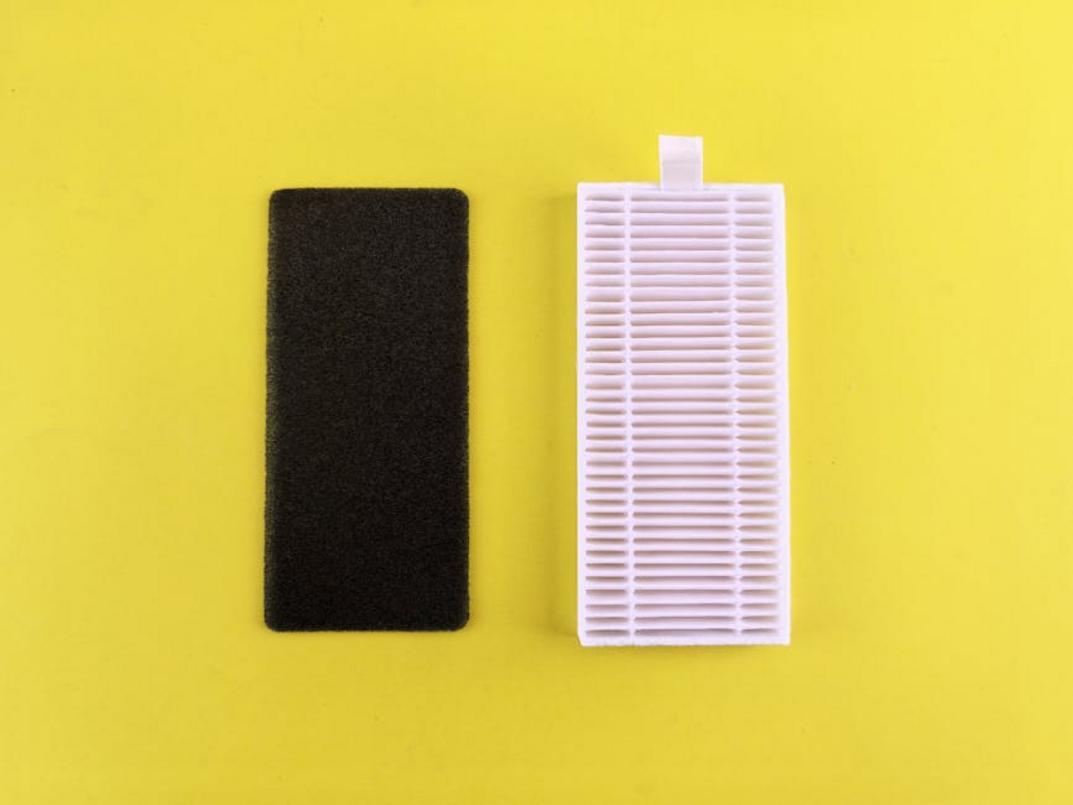
If you’re serious about results, choose a unit with a true HEPA filter—not “HEPA-like.” True HEPA captures 99.97% of particles as small as 0.3 microns (EPA). Check the CADR (Clean Air Delivery Rate) to match the purifier to your room size. Too small, and it’s like bringing a butter knife to a sword fight. Size matters here.
Lifestyle Habits for Lasting Change
Adopt a shoes-off policy, groom pets outdoors, and select low-VOC or zero-VOC paints during renovations. These small shifts compound to improve indoor air quality over time.
Creating a healthier home isn’t a weekend project—it’s a rhythm. When you improve indoor air quality through small habits like changing HVAC filters every 60–90 days, running a HEPA purifier (High-Efficiency Particulate Air, designed to trap 99.97% of particles ≥0.3 microns, per EPA), and cracking windows for 10 minutes daily, you build momentum. As a result, you sleep deeper, wake with fewer allergy flare-ups, and notice less dust settling on surfaces. Skeptics say gadgets are enough; however, consistency beats one-time fixes. Pro tip: start with your bedroom this week, measure humidity (30–50% is ideal), and adjust accordingly for lasting comfort.
Breathe Easier and Take Control of Your Home’s Comfort
You came here looking for practical, modern ways to improve indoor air quality and create a healthier living space. Now you understand how smart ventilation, better filtration, moisture control, and simple home upgrades work together to transform the air you breathe every day.
Stale air, lingering odors, dust buildup, and allergy flare‑ups aren’t just minor annoyances — they affect your comfort, sleep, and overall well‑being. The good news is that you don’t need a full renovation to fix them. Small, intentional changes can make a measurable difference.
Start by assessing your current air flow, upgrading your filters, and reducing hidden pollutants in high‑traffic areas. Then build from there with smarter home setups and consistent maintenance.
If you’re ready to finally solve the air quality issues that have been frustrating you, explore our proven home strategies trusted by thousands of modern homeowners. Take action today and create a cleaner, healthier space your family will feel immediately.