
If you’re searching for a clear, practical statement furniture guide, you likely want to understand how one bold piece can transform your entire space—without overwhelming it. Choosing statement furniture isn’t just about picking something eye-catching; it’s about balancing scale, color, texture, and placement so your room feels intentional and cohesive.
This article is designed to help you do exactly that. We’ll break down how to select the right focal piece, where to position it for maximum impact, and how to style the surrounding décor so everything works together seamlessly. Whether you’re refreshing a single room or redesigning your whole home, you’ll find actionable tips you can apply immediately.
Our recommendations are grounded in proven interior design principles, practical home styling experience, and real-world layout strategies that prioritize both beauty and functionality. By the end, you’ll feel confident choosing and styling a statement piece that elevates your space with purpose and personality.
Transform Your Space: The Power of a Single Statement Piece
A room without a focal point feels like background noise. By contrast, one anchor creates rhythm and intent. So, sofa A vs. sofa B: A blends in, matching everything politely; B introduces sculptural lines or a saturated hue that commands attention. The difference? Presence.
First, assess scale and sightlines. Next, choose contrast—color, texture, or form. Finally, integrate with supporting décor that echoes, not competes (think backup singers, not dueling divas).
Skeptics argue full renovations matter more. However, a centerpiece delivers impact faster and cheaper. Follow this statement furniture guide, today.
Defining the “Statement”: More Than Just Accent Furniture”
Ever walk into a room and feel… confused? Nothing offensive, nothing exciting—just a sea of “nice.” That’s usually the result of mistaking accent pieces for a true statement.
A statement piece is the undisputed focal point—the item that commands attention and sets the tone. Think of it as the protagonist of your space. It typically has at least two defining traits: bold color, unique silhouette (distinct shape or outline), unexpected material, or dramatic scale (noticeably larger or visually dominant size).
An accent piece, on the other hand, is supporting cast. A sculptural velvet armchair in emerald green? Statement. A patterned throw pillow? Accent. (Yes, even if it was expensive.) It’s the difference between Beyoncé headlining and the backup dancers.
The goal isn’t clutter—it’s clarity. A true statement should spark conversation and anchor your design narrative. Pro tip: if everything shouts, nothing is heard. For deeper clarity, consult a statement furniture guide before your next purchase.
The Foundation: A 3-Step Room Assessment Before You Shop
Before buying a bold focal piece, pause. The smartest design decisions start with measurement—not mood boards.
Step 1: Analyze Scale and Proportion
Scale refers to how large an item is compared to the room. Proportion is how it relates to other furniture. Grab a tape measure and map your room’s usable “footprint” (the actual open floor area after existing furniture is accounted for).
- Measure wall length, ceiling height, and walking clearance (aim for 30–36 inches for pathways).
- Note sofa depth, table height, and window placement.
- Use painter’s tape to outline the new piece on the floor.
In large rooms, oversized pieces anchor empty space beautifully. In small rooms, choose taller vertical designs to draw the eye upward (think slim bookcases instead of bulky cabinets). A statement piece should command attention—not block traffic like an overenthusiastic extra in a period drama.
Step 2: Define Your Core Style and Color Palette
Identify your aesthetic: minimalist (clean lines), bohemian (layered textures), industrial (metal + raw wood). Your statement piece can either harmonize or deliberately contrast.
Use a color wheel:
- Complementary colors (blue/orange) create energy.
- Analogous colors (blue/green) feel cohesive.
If you’re unsure, review how to layer textures for a visually dynamic home: https://ththomable.com/how-to-layer-textures-for-a-visually-dynamic-home/
Step 3: Determine the Functional Need
Beauty without purpose fades fast. Is your need:
- Seating (ergonomic comfort, 18–20 inch seat height)
- Storage (closed cabinets reduce visual clutter)
- Lighting (lumens matter as much as design)
- Surface space (durable finishes for daily use)
This statement furniture guide principle is simple: form must serve function. A sculptural chair that no one wants to sit in? That’s décor cosplay. Pro tip: always test comfort in-store when possible.
High-Impact Categories: Where to Find Your Perfect Piece
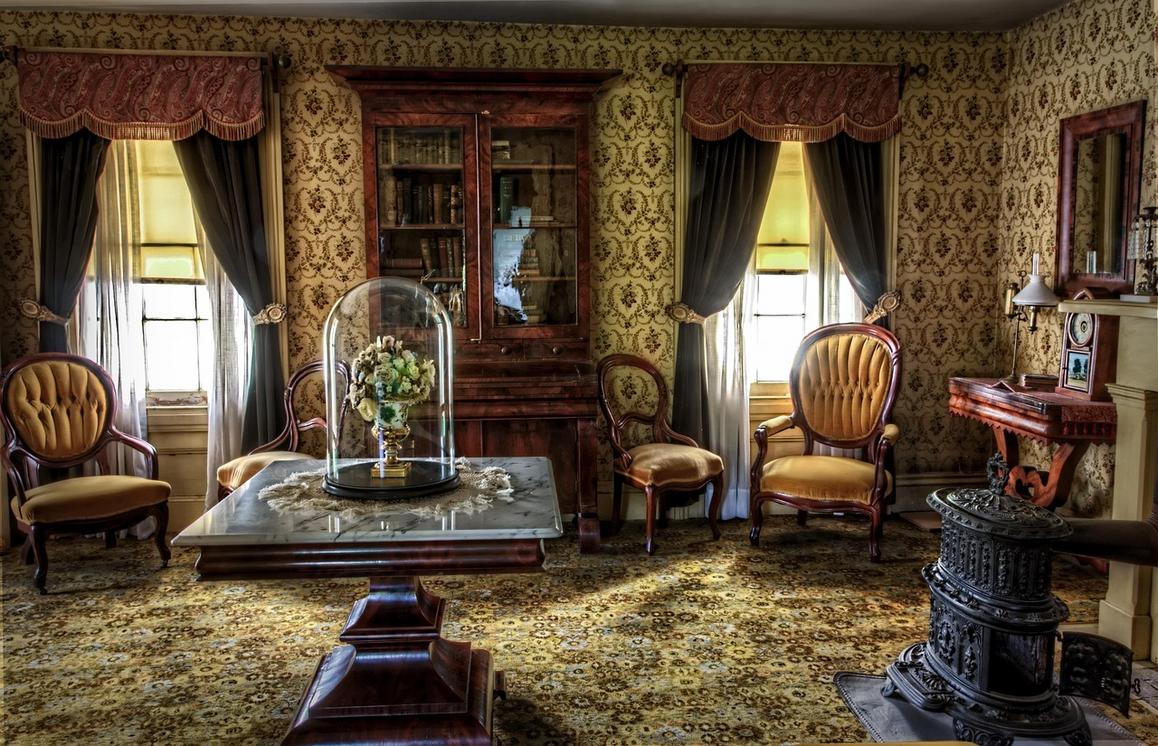
The Sculptural Sofa or Armchair
A sculptural sofa or armchair can anchor a living room instantly. Think curved silhouettes, exaggerated proportions, or low-slung modular forms. Luxurious fabrics like velvet and bouclé add tactile depth, while unconventional colors—ochre, forest green, even muted lavender—shift the mood dramatically. I’ll admit, predicting which bold shape will age gracefully isn’t always easy (remember when ultra-angular couches were everywhere?). Still, when chosen thoughtfully, these pieces become functional art.
The Unconventional Coffee Table
If committing to a bold sofa feels risky, start smaller. Coffee tables in live-edge wood, polished concrete, or sculptural metal offer personality without overwhelming the room. They’re often the easiest “yes” in any statement furniture guide because they balance impact with flexibility.
Dramatic Lighting Fixtures
An oversized pendant, modern chandelier, or architectural floor lamp can transform a space. Lighting is both practical and expressive. I can’t say there’s universal agreement on scale—some designers insist bigger is better—but proportion relative to ceiling height usually wins.
Oversized Art or Mirrors
Large-scale art or an ornate mirror commands attention and can make tight rooms feel expansive. Whether abstract canvas or vintage gilt frame, scale matters more than subject.
The Multifunctional Credenza or Console
Storage doesn’t have to be dull. Seek bold hardware, intricate woodwork, or lacquered finishes.
| Category | Why It Works | Risk Level |
|———–|————–|————|
| Sofa | Anchors layout | High |
| Coffee Table | Easy focal point | Moderate |
| Lighting | Functional art | Moderate |
| Art/Mirror | Expands space | Low |
| Credenza | Style + storage | Low |
The Art of Integration: Making Your New Piece Shine
First, create “breathing room.” In design terms, negative space means the empty area around an object that lets it stand out. So, if you’ve invested in a bold velvet armchair, resist the urge to crowd it with side tables and baskets. Instead, clear at least a few feet around it. As a result, the eye naturally gravitates toward the piece (like a spotlight on stage).
Next, build a supporting palette. Pull two or three colors directly from your statement item and repeat them in small doses—think throw pillows, a vase, or wall art. For example, if your rug features navy and rust, echo those tones subtly across the room. This repetition creates cohesion, a principle supported by color theory research (Interaction of Color, Josef Albers).
Finally, balance with neutrality. If your sofa is bold, keep surrounding furniture understated. For a deeper dive, consult a statement furniture guide before rearranging.
Your Home’s New Center of Gravity
You now have the strategic framework to move beyond bland interiors and choose with confidence. Still, design is personal, and I can’t promise every choice will feel perfect. By assessing scale, style, and function, you narrow the risk. Use the statement furniture guide as a compass, not a rulebook. Maybe your room needs drama; maybe it needs restraint. That’s okay. Start with one space, identify the functional gap, and test options before committing. You might adjust along the way (most of us do). The goal isn’t certainty; it’s thoughtful momentum. Progress beats frozen indecision.
Bring Your Space Together with Confidence
You started this journey looking for clarity on how to choose pieces that truly define your space without overwhelming it. Now you understand how the right focal point, balanced proportions, and intentional styling can transform any room from ordinary to unforgettable.
The truth is, most homes feel incomplete not because they lack furniture—but because they lack direction. Random purchases, mismatched styles, and uncertainty about scale create frustration and wasted money. With a clear approach, that confusion disappears.
Use this statement furniture guide as your action plan. Choose one standout piece that reflects your personality, build around it with complementary textures and tones, and edit anything that competes for attention. Small, smart decisions create a cohesive, modern look.
If you’re tired of second-guessing your décor choices and want a home that feels intentional and elevated, now is the time to act. Explore our proven home styling resources and smart living tips—trusted by thousands of homeowners—to confidently design a space that finally feels complete. Start today and turn your vision into a space you love walking into every single day.