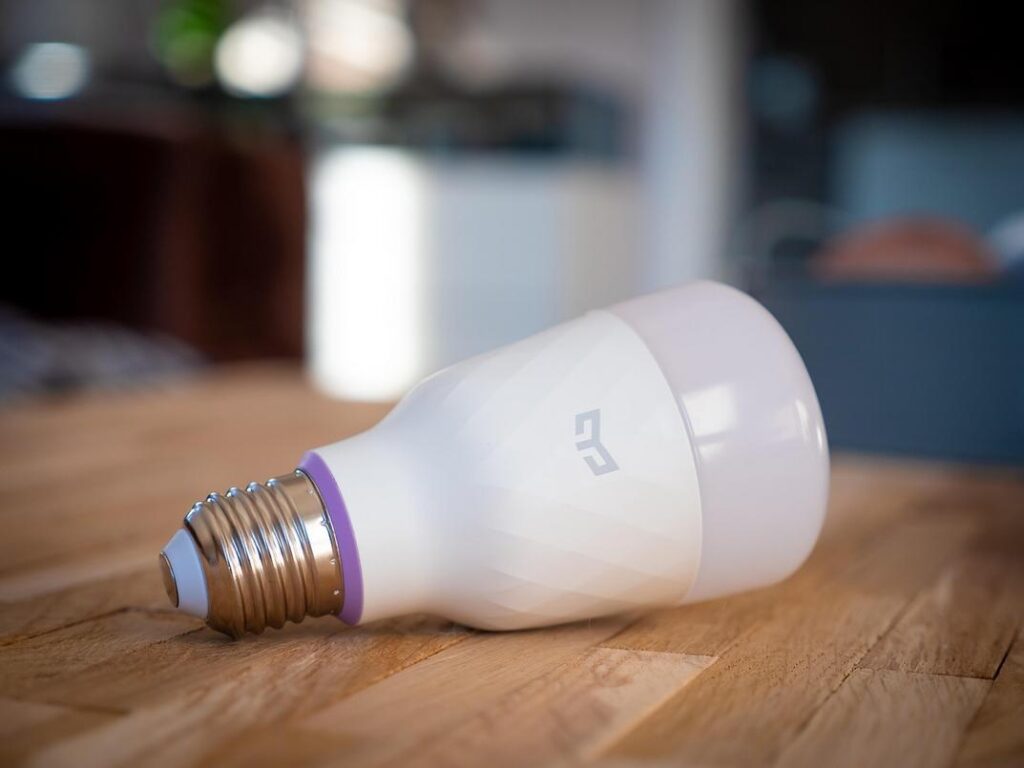
If your space feels flat, gloomy, or simply uninspiring, the problem may not be your furniture or décor—it’s your lighting. Poor lighting can dull even the most beautifully designed rooms, strain your eyes, and affect your mood without you realizing it. This guide offers a practical, step-by-step approach to transforming your space using proven home lighting techniques that go far beyond changing a bulb. You’ll discover the power of layered lighting, learn how to select the right bulbs and fixtures, and explore room-by-room ideas to create a home that feels brighter, more functional, and effortlessly inviting.
The Secret of Professionals: Mastering the Three Layers of Light
Most homeowners think great lighting is about buying a beautiful fixture. Professionals know it’s about structure. Specifically, a three-layer system: Ambient, Task, and Accent lighting. Miss one layer, and the room feels “off” (even if you can’t explain why).
Ambient Lighting: The Foundation
Ambient lighting is your room’s general illumination—the base layer that makes a space usable. Think ceiling-mounted fixtures, chandeliers, or recessed lighting. Its job isn’t drama; it’s clarity. According to the Illuminating Engineering Society (IES), layered lighting improves visual comfort and reduces eye strain in residential settings. Some argue natural light alone is enough. True—during the day. But once the sun sets, relying on a single overhead bulb creates harsh shadows and flat spaces.
Task Lighting: For Focus and Function
Task lighting targets specific activities: under-cabinet lights for chopping vegetables, desk lamps for focused work, bedside lamps for reading. Critics say this layer is optional if ambient light is bright enough. That’s like saying stadium lights are enough to read a menu. Focused beams reduce glare and increase efficiency (U.S. Department of Energy notes proper task lighting can lower overall energy use).
Accent Lighting: Creating Drama and Interest
Accent lighting highlights art, plants, or architectural details using track lights, picture lights, or uplights. Designers often underuse this layer, yet it’s what makes a home feel curated rather than purely functional (think gallery, not garage).
Pro Tip: Install dimmers on at least two layers for flexibility.
Mastering these layers—and knowing how to blend them with smart home lighting techniques—creates depth, comfort, and intention competitors rarely explain in practical terms.
Beyond the Bulb: Decoding Color Temperature, Brightness, and Fixtures
Choosing the right lighting can feel oddly complicated (why are there so many numbers on a light bulb box?). But once you understand a few basics, it becomes much easier to create rooms that actually feel right.
Understanding Color Temperature (Kelvins)
Color temperature, measured in Kelvins (K), describes whether light looks warm (yellow) or cool (blue).
- 2700K–3000K (Warm White): Cozy, soft light ideal for living rooms and bedrooms.
- 3500K–4100K (Neutral/Cool White): Crisp and clean for kitchens and bathrooms.
- 5000K+ (Daylight): Bright and energizing, great for garages or task-heavy spaces.
If you’ve ever felt like your kitchen looked “off,” it was probably a Kelvin mismatch. Warm light in a workspace can feel sleepy; overly cool light in a bedroom can feel like a hospital drama set.
Measuring Brightness (Lumens, Not Watts)
Watts measure energy use. Lumens measure brightness. That’s what matters now.
Quick guide:
- Kitchen: 5,000–10,000 total lumens
- Living room: 1,500–3,000 lumens
- Bedroom: 1,000–2,000 lumens
- Hallway: 500–1,000 lumens
Think of lumens as volume control for light.
Choosing the Right Fixture Style
Fixtures shape both light distribution and décor.
- Pendants: Focused light, perfect over islands or dining tables.
- Sconces: Add layered ambiance along walls.
- Flush mounts: Even, general lighting for lower ceilings.
Good home lighting techniques combine overhead, task, and accent lighting for balance.
The Importance of Dimmers
If you do one upgrade, install dimmers. They instantly shift a room from bright and functional to soft and relaxing. It’s the simplest way to control mood without changing a single bulb.
Automate Your Ambiance: A Simple Start with Smart Lighting
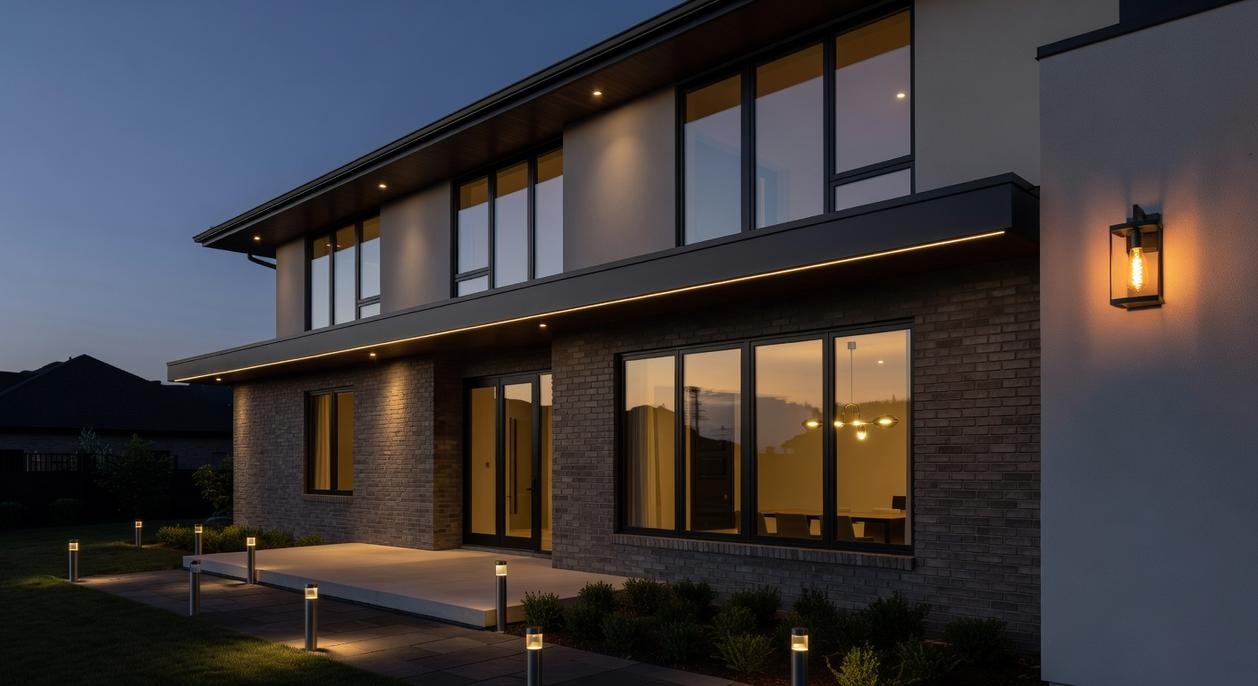
Smart lighting simply means bulbs, plugs, or switches you control with an app or voice assistant instead of a wall switch. In other words, your lights respond to taps and commands (“Alexa, dim the lights”) rather than just fingers.
Most people assume you need a full-home overhaul to start. Not true. Instead, begin with a single smart bulb or a smart plug for an existing lamp. It’s a low-cost test drive (think of it as dipping a toe, not remodeling the pool).
Next, create “scenes.” A scene is a preset lighting setup—like Movie Night (dim and warm), Focus Mode (bright and cool), or Relax (soft amber). With one tap, the room transforms. It pairs beautifully with ideas from using accent colors to transform interior design.
However, smart lighting isn’t just aesthetic. Scheduling lights boosts security, voice control adds convenience, and LEDs cut energy use—U.S. DOE notes LEDs use at least 75% less energy than incandescents. Smart beats traditional home lighting techniques, hands down.
Quick Wins: Room-by-Room Lighting Recipes
The Living Room: A single overhead fixture vs. layered lighting? Always choose layers. Pair a central ambient light with task lamps for reading and accent lights for artwork. It’s the difference between a flat sitcom set and a cozy Netflix backdrop (Friends café vibes win).
The Kitchen: Pendant-only lighting vs. task-first planning? Go task-first. Bright under-cabinet LED strips eliminate counter shadows, while pendants over an island add style and focus. Think chef’s table, not dim date night.
The Bedroom: Cool white bulbs vs. warm-temperature bulbs? Warm wins for winding down. Add bedside lamps for task lighting and place the main ambient light on a dimmer. Your brain reads warmth as “relax” (science backs this—Harvard Health notes blue light boosts alertness).
The Bathroom: Overhead-only vs. vertical sconces? Vertical sconces or a backlit mirror give shadow-free vanity lighting, paired with a dimmable overhead.
These home lighting techniques balance beauty and function, room by room.
Lighting Your Life, One Thoughtful Change at a Time
You came here looking for a clear, practical way to fix frustrating lighting problems—and now you have it. With the expert framework of layering ambient, task, and accent light, you can confidently apply home lighting techniques that transform any space.
There’s no reason to keep living with rooms that feel too dim, too harsh, or simply uninspired. The right bulbs and fixtures, used with intention, give you full control over your home’s mood and functionality.
Start small. Choose one room—or even one corner—this weekend and apply just one of these strategies. You’ll be amazed at how quickly great lighting can change everything.