
Color has the power to completely transform a room—but only if you know how to use it. If you’ve ever played it safe with neutrals because choosing the “wrong” shade felt risky, you’re not alone. Many spaces lack personality simply because homeowners feel overwhelmed by color choices. This guide breaks down accent color design into a simple, step-by-step process you can confidently follow. You’ll learn the core principles behind selecting and placing accent colors so your space feels cohesive, intentional, and full of character—whether you’re refreshing a room, tackling a DIY project, or elevating your entire home aesthetic.
The Foundation: Mastering the 60-30-10 Rule
If color planning feels abstract, the 60-30-10 rule simplifies it. Think of it as a visual budget. Sixty percent of the room is your main color—usually the walls. Thirty percent is the secondary color, often larger furniture or curtains. The final ten percent is the accent color—pillows, art, or décor objects that add contrast.
Why does this work? Balance. When one color clearly dominates, the eye knows where to “rest.” The secondary shade adds depth, and the small accent keeps things interesting without chaos (because no one wants their living room to feel like a paint store exploded).
Here’s a practical example: light gray walls (60%), a navy blue sofa and drapes (30%), and mustard yellow cushions plus a vase (10%). That small pop is your accent color design moment—subtle but powerful.
Pro tip: If unsure about proportions, take a photo and convert it to grayscale to check visual balance.
Finding Your Hero: How to Select a Primary Accent Color
Choosing a hero hue doesn’t have to feel like solving a design riddle. In simple terms, an accent color is the bold shade that stands out against your neutral base and draws the eye. Think of it as the lead actor, while everything else plays supporting roles.
Start with an anchor piece. An anchor piece is any item you already love—a patterned rug, artwork, or even a throw pillow. Pull one color from that pattern and build around it. This keeps your accent color design grounded instead of random.
Next, consider mood. Color psychology is the study of how hues influence emotion. Reds and oranges feel energetic and social. Blues and greens tend to calm the mind (there’s a reason so many spas use them). Deep jewel tones like emerald or navy often read as sophisticated and cozy.
Still unsure? Look at your wardrobe. If you gravitate toward olive jackets or rust sweaters, those shades likely reflect your personality and will feel natural at home.
Finally, borrow from nature. Sunsets, forests, and coastlines offer balanced palettes that already work beautifully together—no design degree required.
Building the Palette: Using the Color Wheel for Perfect Harmony
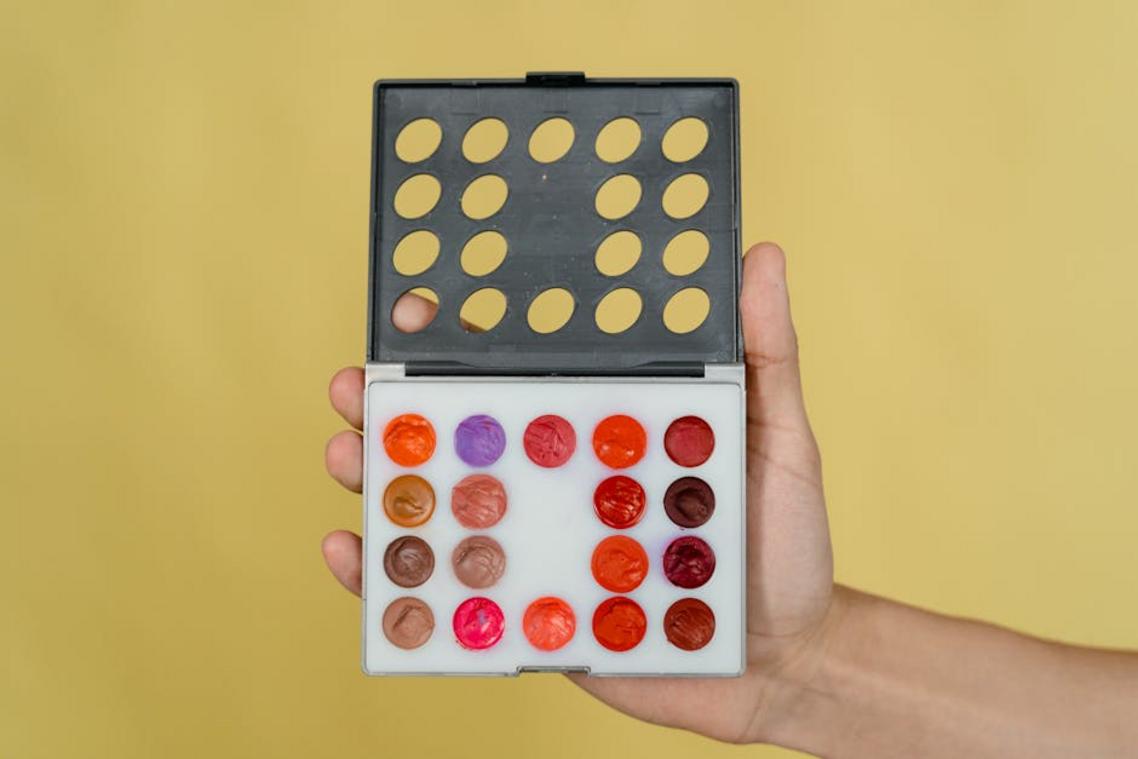
Great design starts with the color wheel—a circular diagram that shows how colors relate to one another. Think of it as your home’s playlist curator: it decides whether the vibe is calm café or blockbuster action scene.
Complementary Colors are opposite each other on the wheel—like blue and orange. This is a high-contrast scheme, meaning the visual difference between hues is strong and eye-catching. It’s PERFECT for energy and drama. Use one as the dominant shade (say, a navy sofa) and the other in smaller accents (burnt orange pillows). Designers often rely on this accent color design to create focal points that feel intentional, not chaotic.
Analogous Colors sit next to each other—like blue, teal, and green. This low-contrast scheme feels serene and cohesive because the hues share undertones. Ideal for bedrooms or reading nooks (the “Sunday morning coffee” effect). If you’re unsure what’s next, start here—it’s forgiving and easy to layer.
Triadic Colors are evenly spaced around the wheel, forming a triangle. This dynamic scheme offers bold contrast while staying balanced. The key? ONE dominant color, two supporting accents. Too much equality and it feels like a circus poster.
Wondering how to anchor these palettes? Start with furniture as your base. See the ultimate guide to statement furniture pieces for what to choose next.
Accent colors don’t have to live on walls. In fact, some of the richest rooms whisper color instead of shouting it.
First, textiles are key. Swap in pillows that feel like linen or velvet, drape a throw that begs to be touched, or roll out a rug that softens footsteps and hushes echoes. Because these pieces are easy to change, they let you experiment without commitment.
Next, gather decorative objects. Cluster vases, books, and trays in the same hue so the eye reads them as one statement. The repetition creates rhythm (like a chorus returning in your favorite song).
Then look up. Painting the ceiling—the “fifth wall”—wraps the room in color, casting a glow that shifts with light daily.
Finally, try a single piece of furniture. A bookshelf or an accent armchair can anchor an accent color design, adding contrast you can see and feel the moment you walk in.
Test Before You Commit: Pro Tips for Sampling Colors
I once painted an entire living room what I thought was a “soft gray.” By sunset, it looked lavender (my friends kindly called it “bold”). That’s when I learned the power of swatches. Start by taping physical paint or fabric samples directly on your walls—this gives you a real-world preview of your accent color design instead of a tiny card illusion.
Next, observe the shades in morning light, afternoon sun, and under lamps at night. Lighting temperature (warm vs. cool bulbs) changes everything.
Finally, live with the samples for a few days. Initial excitement fades—or confirms you’ve found the one.
Creating a Cohesive Space with Confidence
Designing with color doesn’t have to feel overwhelming. By following a simple process—start with the 60-30-10 rule, choose an inspiration piece, lean on the color wheel for harmony, and always test before committing—you create a clear path to success. The fear of getting it wrong fades when you have a framework to guide your choices.
You wanted a way to bring balance and personality into your home without second-guessing every decision. Now you have the tools to approach accent color design with clarity and confidence.
Start small. Choose one room and introduce one accent piece—like fresh throw pillows—to begin your color journey today.